


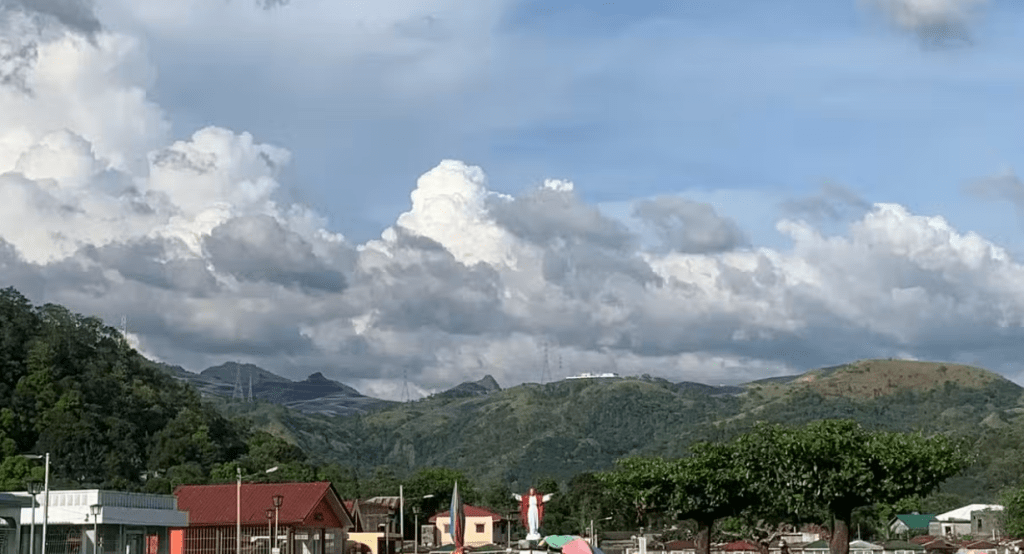
OLONGAPO CITY – In a fervent stand against what they call “green grabbing,” over 900 residents from mountain-fringed communities here have petitioned the city government to slam the brakes on Phase 2 of the sprawling Olongapo Solar Power Project, decrying it as a corporate carve-up of sacred watersheds disguised as eco-progress. The outcry, fueled by fears of landslides, lost forests, and a flood-prone future, gained fresh momentum Friday as protesters delivered their grievances to City Hall, spotlighting a P7.6-billion expansion that could scar another 179 megawatts into the Zambales range.
The petition, a 919-signature salvo drafted by lawyer Nicolo Bayona Bongolan, landed like a thunderclap amid the holiday hush, demanding an immediate halt to the second phase while calling for a hard look at Phase 1’s environmental green light. “A project is not ‘clean’ if its cost is the destruction of mountains, danger to life, and disregard for the people,” the document thundered, echoing the raw frustration of folks who’ve watched their verdant backyard – Mt. Balimpuyo’s watershed heart – get eyed for industrial sprawl. “If the electricity won’t directly benefit us, why must our mountains be sacrificed?”
The solar saga, spearheaded by Aboitiz Power Corp. through its AP Renewable Energy subsidiary, kicked off with Phase 1’s 221-MW array in Barangay Sta. Rita – a tree-felling behemoth that already has locals grumbling about its toll. Now, Phase 2 promises to pile on with construction slated for Q2 2026 and lights-up by early 2028, but protesters aren’t buying the green halo. “This is corporate land grabbing disguised as clean energy,” Bongolan charged, pointing to over 1,800 hectares in the Zambales range already snapped up or sliced for solar schemes. Geohazards loom large: The area’s landslide lottery, amplified by denuded slopes, could choke rivers with sediment, supercharge erosion, and turn rainy seasons into raging torrents – a nightmare for a city still scarred by Typhoon Carina’s 2024 fury.
Public scoping on November 21 in Sta. Rita only fanned the flames, with Aboitiz reps dodging tough queries on drainage failsafes, heat-radiating panels tweaking the microclimate, and zero guarantees on jobs or juice for Olongapo locals. “They couldn’t even explain how Phase 1 snagged its Environmental Compliance Certificate from DENR and PAMB,” one attendee fumed, questioning the Protected Area Management Board’s nod to reclassify reserve land as “alienable and disposable.”
Vice Mayor Kaye Ann Legaspi, once a Phase 1 backer, has flipped the script with a resounding no to the sequel. “We welcome clean energy – but not at the expense of our people and our safety,” she declared Monday, her stance a rare rift in local leadership. Legaspi, prioritizing her “foremost duty” to public welfare, slammed the rollout as “irresponsible and non-transparent,” vowing the council – which hasn’t seen formal Phase 2 docs beyond a scoping heads-up – will keep the door open for dissent. “My vote for Phase 1 was in good faith, based on the information at the time. But Phase 2 is far different,” she added, aligning with residents in a chorus for science-backed, community-rooted renewables over hasty harvests.
Mayor Rolen Paulino Jr. has yet to weigh in, but the petition’s multi-pronged punch targets him, the Sangguniang Panlungsod, and DENR for a full-throated review: Scrap the expansion, probe Phase 1’s ECC, end the range’s “greenwashing” spree, and pivot to policies that put people – not panels – first. As Olongapo’s councilors, several of whom crashed the scoping to log gripes, mull their next move, the air crackles with tension: In a city where mountains mean lifeblood, can solar shine without shading the shadows below?
For these protesters – farmers, fisherfolk, and families tethered to the land – it’s not anti-renewable rage; it’s a raw plea for balance. “We’re not against progress, but this feels like progress at our peril,” one petitioner shared, her eyes on the horizon where panels could eclipse the pines. As the holidays dawn, Olongapo’s fight underscores a national nerve: In the rush for green gold, who gets left in the dark?