

MANILA, Philippines — Malacañang has taken a firm stance against the spread of disinformation, stating it will not accept apologies from individuals involved in the dissemination of a forged medical report claiming President Ferdinand Marcos Jr. was hospitalized.
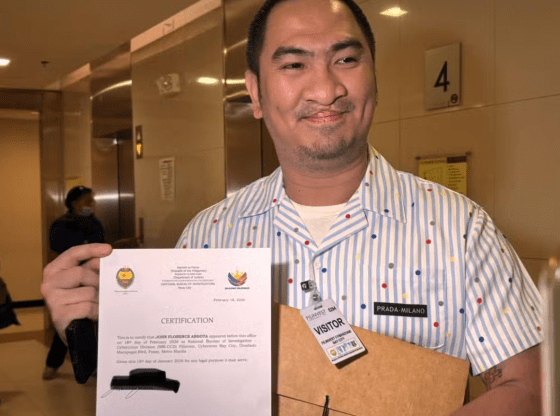
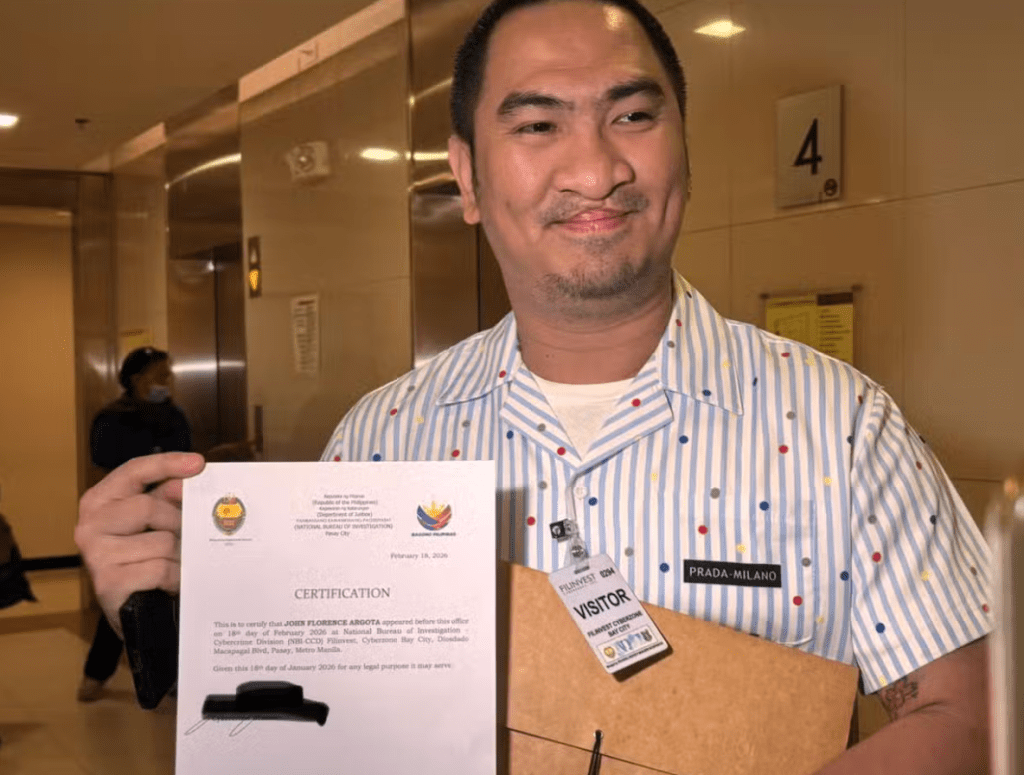
The Presidential Communications Office (PCO) issued the statement after a vlogger and several social media users reportedly expressed regret after being flagged for sharing the fake document. The document, which bore the letterhead of a prominent private hospital, alleged that the President had suffered a medical emergency.
No Room for “Fake News”
“The spread of forged documents is not a joke, nor is it a matter that can be settled with a simple apology,” the Palace statement read. “This is a targeted attempt to destabilize the government and cause unnecessary public alarm.”
Executive Secretary Lucas Bersamin echoed this sentiment, emphasizing that the administration is committed to holding purveyors of “fake news” accountable under the law. “We must set a precedent that there are consequences for manufacturing and spreading malicious falsehoods, especially those concerning the highest office of the land,” Bersamin said.
Ongoing Investigation
- NBI and PNP Involvement: The National Bureau of Investigation (NBI) and the Philippine National Police (PNP) Cybercrime Group have been tasked to trace the original source of the forgery.
- Vlogger Accountability: At least one vlogger claimed they shared the report only “to keep up with trends,” but authorities noted that the high engagement and potential for public panic make the act a violation of the Cybercrime Prevention Act of 2012.
- Hospital Denial: The medical institution mentioned in the forged report had previously issued a categorical denial, stating that no such patient was admitted and that the document was a complete fabrication.
The Palace urged the public to be more discerning and to verify information through official government channels. This incident occurs amid a broader crackdown by the administration on digital misinformation and “influence operations” aimed at undermining public trust in national institutions.