
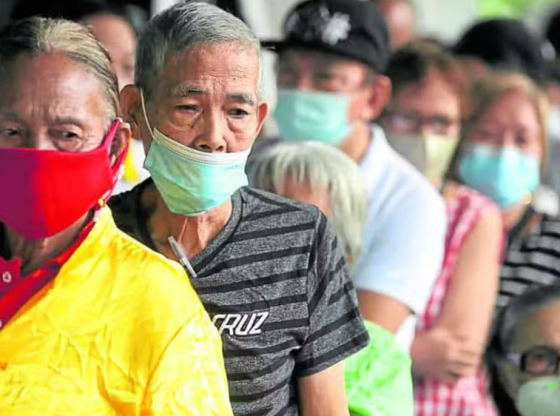


MAKATI CITY, Philippines — The Philippines is taking the lead in addressing the challenges of a rapidly ageing Southeast Asia as it hosts a series of high-level meetings focused on the “inclusive development” of senior citizens within the ASEAN region.
Running from March 2 to March 5, 2026, the gathering brings together officials from the ASEAN Socio-Cultural Community. Organized with the Department of Social Welfare and Development (DSWD), the talks aim to create a unified framework for social protection as member-nations face a significant demographic shift.
- Key Objective: Strengthening social protection systems to help elderly individuals and their families cope with economic and health challenges.
- Inclusive Vision: DSWD spokesperson Assistant Secretary Irene Dumlao emphasized that the Philippines’ primary goal is to ensure “no sector is left behind” as populations age.
The ASEAN Secretariat’s data highlights the urgency of these discussions:
- Current Numbers: As of 2020, Southeast Asia already had 77.4 million senior citizens (11.6% of the total population).
- Future Projections: This number is expected to climb to 127 million within the next decade.
- The Shift: Over the next 30 years, the ratio of elderly people in ASEAN is projected to rise from 1 in 9 people to 1 in 5.
The meetings will address several critical issues common across the 11 member nations, including:
- Healthcare Infrastructure: Preparing systems for a higher prevalence of chronic and age-related illnesses.
- Economic Security: Ensuring sustainable pension and social safety nets.
- Active Ageing: Promoting policies that allow seniors to remain productive and engaged in their communities.
By hosting these talks, the Philippines aims to harmonize regional policies and share best practices in geriatric care and social welfare, positioning ASEAN to proactively manage its “silver tsunami.”