
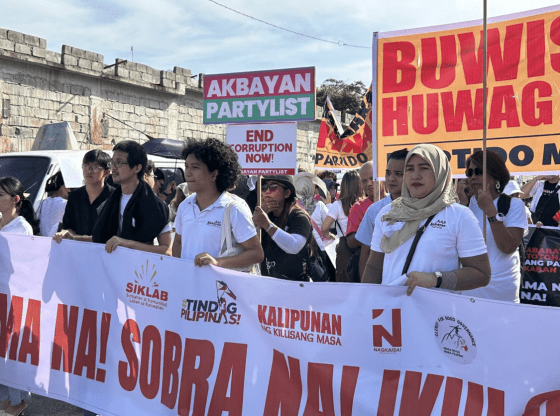

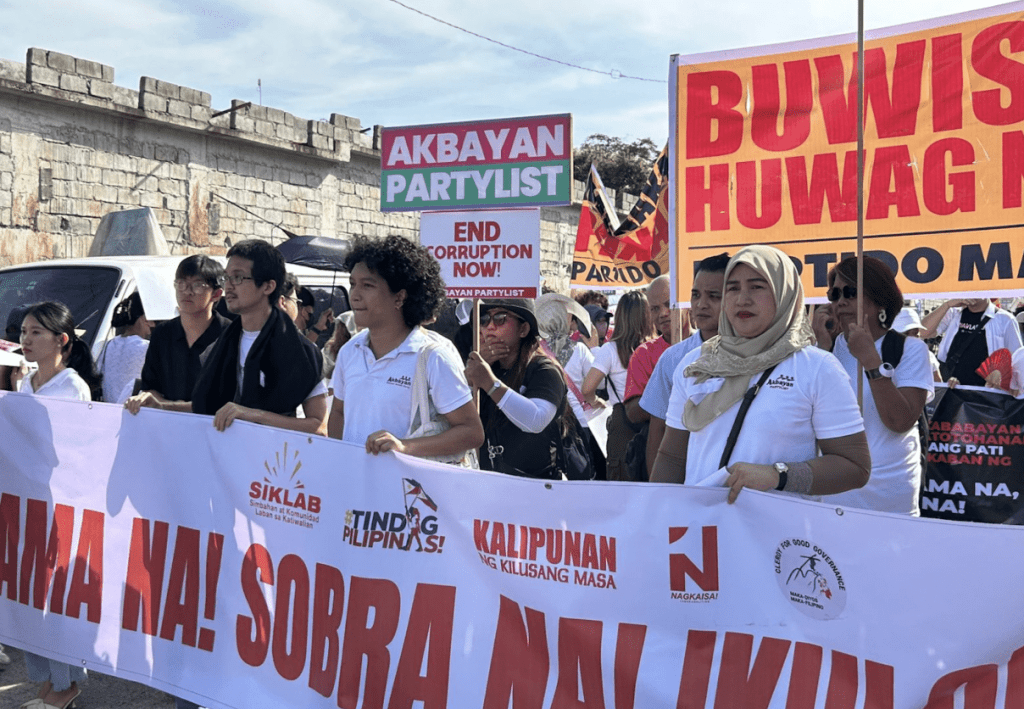
QUEZON CITY – As the capital braces for a seismic show of public fury over alleged multi-billion-peso graft in flood control projects, authorities are shutting down White Plains Avenue starting early Sunday for the “Trillion Peso March,” a high-stakes protest expected to draw thousands demanding accountability from the highest echelons of government. The closure, part of a broader traffic lockdown in the bustling eastern district, signals the scale of the rally – a direct shot across the bow at the Marcos administration amid swirling scandals that have already toppled officials and stalled infrastructure dreams.
The event, slated to ignite at 6 a.m. on November 30, 2025, is the brainchild of a coalition of civil society groups, including the Bagong Alyansang Makabayan (Bayan) and affiliated labor unions, who are channeling outrage over the botched P20-billion flood mitigation fiasco that’s left communities waterlogged and wallets drained. Organizers decry the “trillion-peso” tag as a symbolic jab at the cumulative waste from years of alleged pork-barrel plunder, with the march aimed at pressuring Congress to fast-track probes and recover ill-gotten gains. “This isn’t just about floods; it’s about a system rotten to the core, where public funds vanish into private pockets while our people drown,” thundered Bayan secretary-general Renato Reyes in a fiery pre-rally statement, vowing a “peaceful but unyielding” turnout of at least 50,000 from Metro Manila and beyond.
The route will snake from the White Plains Avenue staging area – a key artery flanked by Camp Aguinaldo and the Department of National Defense – toward the House of Representatives along Commonwealth Avenue, looping through Katipunan and Ortigas for maximum visibility. Affected zones stretch from Edsa’s bustling North Avenue to the quieter Temple Drive, with zipper lanes on White Plains (between Edsa and Katipunan) already in play from 9 p.m. Saturday to clear the path. “We’re preparing for heavy influx – expect gridlock on Edsa, Katipunan, Ortigas, and Temple Drive,” warned Quezon City Traffic Chief Nicolas Encina, urging commuters to dodge the area or hop on MRT-3 lines. Designated parking zones include Temple Drive up to Giraffe Street for light vehicles, B. Serrano Avenue eastbound for buses, and 18th and 20th Avenues for mixed fleets, with overflow along Edsa from the People Power Monument to Camp Aguinaldo Gate 3 reserved for “friendly forces” like security details.
Quezon City Mayor Joy Belmonte, balancing public safety with free expression, has mobilized a joint task force from the city government, Metropolitan Manila Development Authority (MMDA), and Quezon City Police District (QCPD) to manage the flow. “We support the right to protest, but safety first – no disruptions to essential services,” Belmonte assured in a midday advisory, promising ample standby personnel and medical units. The QCPD, under Director Mafelino Bazar, echoed the call for calm: “Peaceful assembly is protected, but any violence will be met decisively.” Early estimates peg participation at 30,000-50,000, swelling with jeepney drivers, fisherfolk from typhoon-hit areas, and urban poor advocates hit hardest by the graft’s ripple effects.
This isn’t a flash in the pan; it’s the crescendo of months of simmering discontent, from House hearings that exposed ghost contracts to street chants demanding President Ferdinand Marcos Jr.’s direct intervention. With midterms looming in 2026, the march could tip the scales in a polarized polity, where anti-corruption cries clash with defenses of “witch hunts.” As barricades rise and megaphones charge, Sunday’s streets will pulse with a question that’s as old as Philippine democracy: When the people’s money goes missing, who pays the flood?