
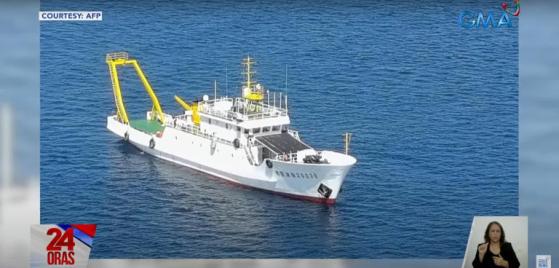

In recent developments that have heightened tensions in the West Philippine Sea, the Philippine Navy has reported spotting three Chinese survey ships near Ayungin Shoal, following the earlier sighting of a research vessel in the waters off Catanduanes. This series of events underscores a significant increase in Chinese naval activity in the region, coinciding with the largest Balikatan joint military exercises conducted by the Philippines and the United States.
According to the Armed Forces of the Philippines’ Southern Luzon Command, the presence of these Chinese vessels in Philippine territorial waters is being closely monitored, although their exact purpose remains unclear. The latest incursion at Ayungin Shoal marks a continuation of China’s assertive maritime strategy in the area, which has been a longstanding point of contention between the two nations.
Local government officials in Catanduanes have taken measures to ensure the safety and vigilance of coastal communities by urging residents to report any suspicious activities related to the presence of foreign ships. This call to action reflects growing concerns over the potential implications of such activities on national security and sovereignty.
The timing of these Chinese maneuvers is particularly provocative, as they align with ongoing Balikatan exercises, described as the largest to date. This military collaboration between the Philippines, the United States, and France aims to bolster defense capabilities and readiness in response to regional security challenges. Notably, during these exercises, Chinese Coast Guard vessels engaged in aggressive actions by firing water cannons at Philippine civilian vessels heading to Scarborough (Panatag) Shoal for a resupply mission.
Furthermore, the Philippine Navy has observed an alarming escalation in the number of Chinese vessels in the West Philippine Sea, with figures reaching up to 124. These include ships from the People’s Liberation Army Navy (PLAN) and maritime militia vessels, which have been shadowing the naval flotilla involving Philippine, American, and French forces during the Balikatan Exercise.
This increase in Chinese naval presence is a clear indication of the ongoing strategic contest in the region, as China continues to assert its claims over the disputed waters, often leading to confrontations with neighboring countries asserting their own territorial rights. The situation remains fluid, and the international community closely watches as these events unfold, potentially impacting broader geopolitical dynamics in Southeast Asia.