


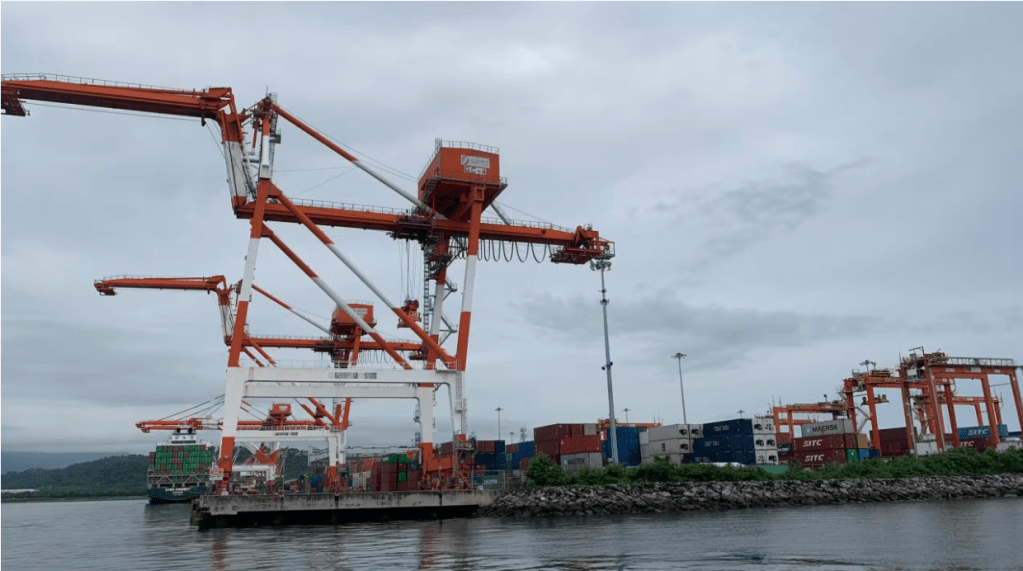
SUBIC BAY FREEPORT, Philippines — In a major move to shield the supply chain from the global energy crisis, the Subic Bay Metropolitan Authority (SBMA) has implemented a sweeping reduction in port and cargo fees.
The fiscal relief measures, approved by the SBMA board on April 8, are designed to assist traders, manufacturers, and logistics firms operating within the freeport as they navigate the rising costs of fuel. According to SBMA Chair and Administrator Eduardo Jose Aliño, the initiative directly aligns with the national state of energy emergency declared by President Marcos.
The SBMA has rolled out a multi-pronged approach to stabilize costs for the transport and food sectors:
- 5% Tariff Reduction: Applies to all commercial vessel charges, including harbor, berthing, and anchorage fees.
- Cargo Fee Cuts: A 5% reduction on wharfage and storage fees, as well as on SBMA shares for pilotage, tugboat services, and heavy equipment rental.
- Extended Free Storage: Port users will benefit from an additional two days of free storage, along with specialized free storage for non-containerized cargo.
- Suspended Increases: A planned 10% increase in cargo handling charges for general cargo has been put on hold, along with several other admission fees.
Senior Deputy Administrator for Port Operations Ronnie Yambao estimated that these measures will provide approximately ₱76 million in total fiscal relief over the next year.
- ₱49 Million: Projected savings from direct tariff reductions.
- ₱25 Million: Potential costs avoided by stakeholders due to the suspension of new fee policies.
- ₱2 Million: Expected operational savings from the extended storage periods.
Despite the challenging global landscape, Subic Bay continues to show robust growth. Last year, the SBMA recorded ₱1.77 billion in port revenues, a 4.2% increase from 2024.
- Strong Start to 2026: In January alone, the agency posted ₱113.7 million in revenue, a 13% jump year-on-year.
- Surge in Key Imports: The growth has been largely driven by a massive increase in non-containerized cargo handling, including rice (up 484%), corn (up 230%), and imported petroleum products (up 46%).
“These initiatives provide a fiscal cushion to reinforce investor confidence and prevent supply chain bottlenecks,” Aliño stated. The fee reductions will remain in effect until geopolitical tensions in the Middle East ease and global fuel prices stabilize. For now, Subic’s “open port” policy is proving to be a vital stabilizer for the Philippine economy.