
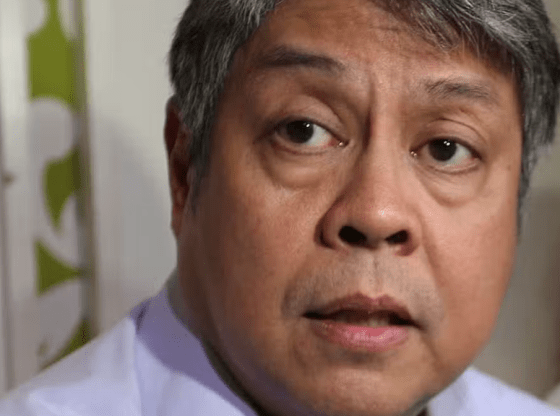


MANILA, Philippines — Tensions between the Philippine Senate and the Chinese Embassy have reached a critical point, with Senator Francis “Kiko” Pangilinan expressing deep skepticism regarding the possibility of a fruitful dialogue.
The exchange follows a series of sharp remarks from newly appointed Chinese Ambassador Jing Quan and embassy spokesperson Ji Lingpeng, which prompted the Philippine Senate to pass Senate Resolution No. 256 on February 9, 2026.
Sincerity at the Center of Dispute
Senator Pangilinan stated on Monday, February 16, 2026, that any meeting to defuse tensions—an idea proposed by Senate President Pro Tempore Ping Lacson—depends entirely on China’s sincerity.
- Trust Issues: Pangilinan described the current embassy’s behavior as unprecedentedly “uncouth” (pambabastos) toward Philippine institutions.
- Lecturing Diplomats: He warned that if the embassy continues to “lecture” senators on diplomacy, a dialogue would be pointless.
Escalating Rhetoric
The word war intensified after the embassy labeled the Senate measure as “anti-China.”
- Embassy Warning: Spokesperson Ji Lingpeng questioned the “capability” of senators calling for the ambassador’s recall and warned that a downgrade in diplomatic relations could cost “millions of jobs.”
- “Words for Words”: Ji asserted that “diplomacy is based on reciprocity” and defended the embassy’s right to respond aggressively to critiques of China’s actions in the West Philippine Sea.
- Sanctions Threat: While Beijing stated it would “not yet” impose sanctions or travel bans on Filipino legislators, the embassy characterized the current situation as a “debate” where no one should be silenced.
Contrasting Cordiality
Despite the legislative friction, executive-level interactions remain polite.
- Direct Flights: During the Lunar New Year celebrations in Binondo, Ambassador Jing Quan announced that Xiamen Airlines will resume direct flights between Cebu and Quanzhou starting March 29, 2026.
- Presidential Response: President Marcos expressed gratitude for the “good news,” hoping for increased people-to-people exchange, even as the broader diplomatic relationship remains strained.
Malacañang’s Stance
Palace press officer Claire Castro emphasized on Monday that de-escalation must be mutual. “Consideration for friendly discussions and healthy dialogue should come from both nations—not just from the Philippines, not just from China,” she said.
The Senate remains firm in its condemnation of tirades against officials defending Philippine sovereignty, while the executive branch continues to manage economic and travel ties, highlighting a complex “two-track” approach to current Philippines-China relations.