
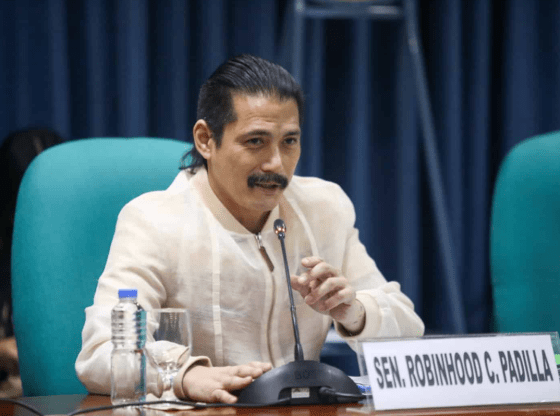


MANILA, Philippines — Tensions between the Philippine Senate and the Chinese Embassy reached a new high on Thursday, February 12, 2026, as Senator Robin Padilla stood in solidarity with his colleagues, while Senator Raffy Tulfo criticized Beijing’s top envoy for being overly sensitive to domestic legislative actions.
The exchange follows the Senate’s approval of Senate Resolution No. 256 on Monday, which formally condemned the language used by a Chinese embassy spokesperson toward members of the Philippine Congress.
The Diplomatic Impasse
- Resolution 256: Signed by 15 senators, the resolution asserts that recent statements from the Chinese embassy lacked the “restraint, courtesy, and responsibility” expected in diplomatic communications. It further criticized the embassy for violating the principles of non-interference.
- Sotto vs. Beijing: The spat intensified after the Chinese embassy directly addressed Senate President Vicente “Tito” Sotto III regarding the chamber’s stance.
Senator Robin Padilla’s Stand While Padilla was not among the original signatories of the resolution, he made his position clear during an ambush interview:
- Colleague Support: “Why would I side with the foreigners? Of course, I am with my colleagues,” Padilla said in Filipino.
- The Strategy: He characterized the Philippines’ necessary approach as being both “firm and diplomatic” in the face of external pressure.
Senator Raffy Tulfo’s Critique Senator Tulfo went a step further, targeting Chinese Ambassador Jing Quan personally:
- “Onion-Skinned”: Tulfo described the ambassador as “too sensitive and aggressive” compared to his predecessors. “This one is too sensitive… onion-skinned,” he remarked during a press briefing.
- Replacement Call: Tulfo echoed the call of Senator JV Ejercito for the replacement of Ambassador Jing Quan, arguing that his aggressive demeanor has hindered, rather than helped, diplomatic relations between the two nations.
Regional Context The diplomatic friction occurs amidst ongoing maritime tensions and the Philippine government’s firmer stance on territorial integrity. The Senate’s move to formally censure a foreign embassy’s rhetoric is considered an unprecedented assertion of legislative independence in the face of what senators have described as “intimidation” and “undue interference” by Beijing’s representatives in Manila.
The Department of Foreign Affairs (DFA) has yet to comment on whether it will summon the ambassador following the senators’ public calls for his recall.