

A magnitude 6.9 earthquake (initially reported as 7.5) struck near Hinatuan, Surigao del Sur in the Philippines on December 2, 2023, at 10:37 p.m. This event was initially reported by the United States Geological Survey as having a magnitude of 7.6. Following the earthquake, the Philippine Institute of Volcanology and Seismology (Phivolcs) issued a tsunami warning, predicting waves over one meter above normal tides, potentially higher in enclosed bays and straits. The first tsunami waves were expected to arrive between 10:37 PM and 11:59 PM on the same day, with the possibility of lasting for hours. Evacuations were ordered in parts of Japan due to potential tsunami waves of up to 3 meters.
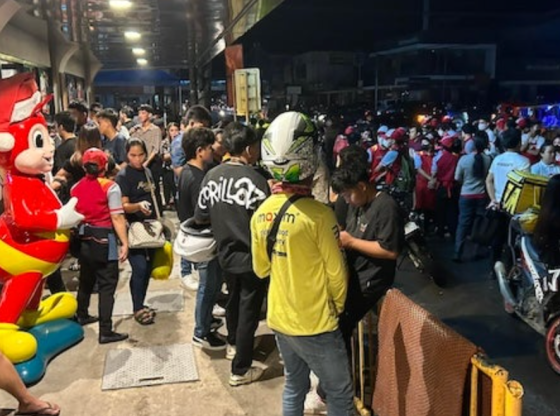
In Butuan, residents experienced significant shaking, causing many to flee into the streets. The quake’s tremors lasted over 30 seconds, with merchandise in stores falling due to the shaking. While no damage was initially reported, Phivolcs warned of potential aftershocks. Agusan del Sur province experienced a power outage during the earthquake. The Agusan del Sur Electric Cooperative (Aselco) dispatched technicians to assess power lines and facilities for damage. The local police chief of Hinatuan reported power outages since the quake with no immediate reports of casualties or damage. Additionally, hyperventilation cases were reported in Butuan City, with some individuals requiring hospitalization.
The tremors were also felt in other parts of Visayas and Mindanao. The quake had a shallow depth of focus at 8 kilometers and was of tectonic origin. Intensity V shaking was reported in Bislig City, Surigao Del Sur, and Cabadbaran City, Agusan Del Norte. The Philippines’ location on the Pacific Ring of Fire makes it prone to frequent seismic and volcanic activity.
I will now provide a paraphrased version of this news article, adhering to the requirement of at least 300 words.
Surigao del Sur, Philippines, was rocked by a severe earthquake measuring 6.9 on the Richter scale on the night of December 2, 2023. The earthquake, which was initially reported as having a magnitude of 7.5, struck close to Hinatuan. The United States Geological Survey had earlier reported a magnitude of 7.6 for the same quake. Following this significant seismic event, the Philippine Institute of Volcanology and Seismology (Phivolcs) promptly issued a tsunami warning. This alert indicated the possibility of waves surpassing one meter above normal tide levels, with higher waves expected in enclosed bays and straits. The forecast predicted the first tsunami waves to hit between 10:37 PM and 11:59 PM that night and warned of the possibility of these waves continuing for several hours.
In the wake of the earthquake, Japan’s southwestern coasts were put on high alert, with evacuation orders issued due to fears of tsunami waves reaching up to 3 meters. Phivolcs advised those at sea to remain in deeper waters and urged immediate evacuation for residents near the coasts of Surigao Del Sur and Davao Oriental provinces. Japanese broadcaster NHK projected tsunami waves reaching Japan’s southwestern coast about 30 minutes after the quake. While Phivolcs did not anticipate significant damage from the earthquake itself, it cautioned about potential aftershocks.
The quake’s impact was felt strongly in Butuan, where residents were jolted from their beds and rushed into the streets, particularly around Montilla Boulevard and JC Aquino Avenue. The shaking, which lasted over 30 seconds, also caused merchandise in stores to tumble to the ground in Surigao City. Despite the absence of immediate reports of damage, the threat of aftershocks remained.
Agusan del Sur province experienced a complete power outage as a result of the earthquake. The Agusan del Sur Electric Cooperative (Aselco) reported a concurrent brownout and dispatched technicians to assess the impact on power lines and facilities. Aselco was awaiting updates from the National Grid Corporation of the Philippines regarding the resumption of power transmission. In Hinatuan, near the quake’s epicenter, the local police chief reported ongoing power outages, though no casualties or significant damage were observed at that time. Meanwhile, in Butuan City, many residents suffered from hyperventilation, with some needing hospitalization.
The tremors from the earthquake were felt across various parts of Visayas and Mindanao, including Cebu, where residents reported feeling the ground shake. The quake, originating from a shallow depth of 8 kilometers and of tectonic nature, caused significant shaking in several areas. Intensity V shaking was recorded in Bislig City, Surigao Del Sur, and Cabadbaran City, Agusan Del Norte. The Philippines, being part of the Pacific Ring of Fire, is susceptible to frequent seismic and volcanic activities.