
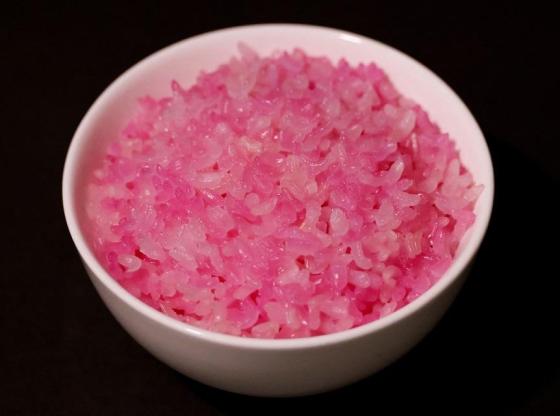

South Korean scientists have made a significant breakthrough by developing “beef rice,” a novel food product that integrates beef cells into rice grains. This innovation, led by Professor Jinkee Hong of Yonsei University in Seoul and detailed in the journal Matter, represents a stride towards sustainable and eco-friendly protein sources. The process involves treating rice grains with enzymes to foster the growth of bovine muscle and fat cells, resulting in a pinkish grain that closely resembles rice in appearance.
This pioneering work is part of a broader global trend towards lab-grown meats, with various companies producing cultured meat alternatives. However, the Yonsei University team believes that using rice as a base has distinct advantages, including lower allergenic potential compared to soy or nuts. The “beef rice” boasts a higher protein and fat content than traditional rice, with a significant portion of the protein being animal-based, offering a rich source of essential amino acids.
Priced competitively at about $2 per kilogram and producing a smaller carbon footprint than conventional beef, this innovative product could soon be a viable option on supermarket shelves. Despite technical and consumer acceptance challenges, feedback from taste tests has been mixed, indicating a path forward for further development and refinement.