


GENEVA, Switzerland — The World Health Organization (WHO) issued a warning on Thursday, May 7, 2026, that more cases of the deadly hantavirus may emerge following a rare outbreak aboard the expedition cruise ship MV Hondius.
While the disease has already claimed the lives of three passengers, WHO officials emphasized that they expect the outbreak to remain “limited,” provided that strict public health measures and international solidarity are maintained.
As of May 7, the WHO has confirmed a cluster of eight cases (five confirmed and three suspected), including the three fatalities.
- The Deceased: The victims include a Dutch couple and a German national. The 70-year-old Dutch man died while the ship was in the Atlantic; his wife disembarked with his body in Saint Helena but later collapsed and died in South Africa.
- The Patients: Infected individuals are currently being treated or isolated in South Africa, Britain, Germany, the Netherlands, and Switzerland. One British passenger remains in critical condition in an intensive care unit (ICU) in Johannesburg.
- The Ship: The MV Hondius is currently sailing toward the Spanish island of Tenerife, where it is scheduled to arrive on Sunday for a full evacuation and disinfection.
WHO Director-General Tedros Adhanom Ghebreyesus noted that the specific strain identified in this outbreak is the Andes virus, which is unique among hantaviruses for its ability to transmit between humans.
- Long Incubation: The incubation period for the Andes virus can last up to six weeks. Because the cluster was first reported in early May, individuals who were exposed in April may still develop symptoms in the coming weeks.
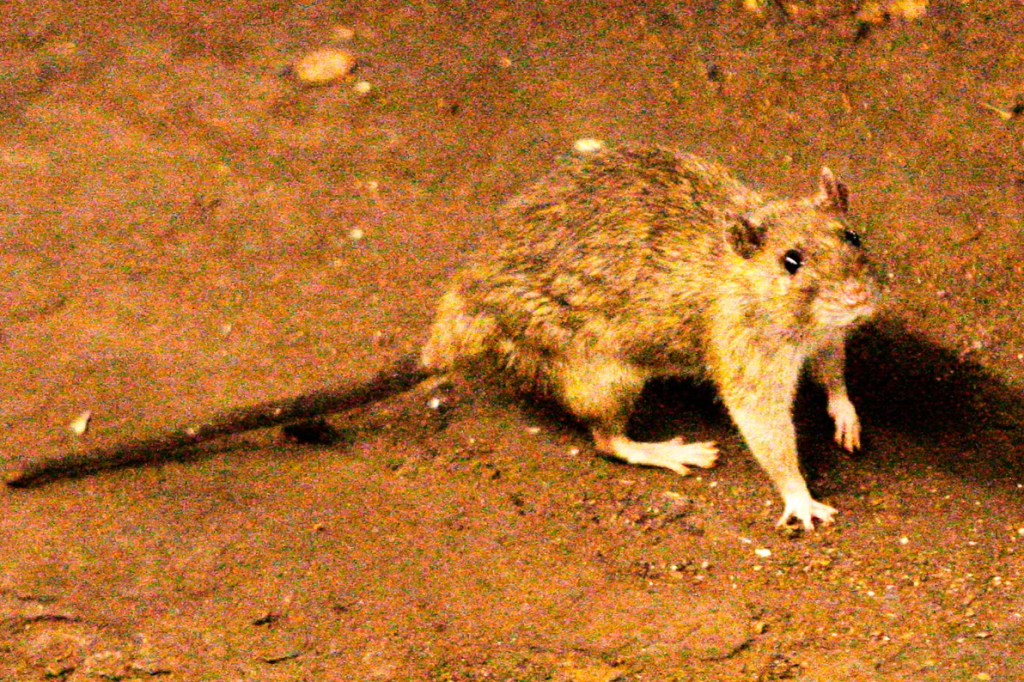
- Human-to-Human Risk: While hantaviruses are typically caught from rodent droppings, the Andes strain can spread through “prolonged close contact.” Health officials are currently tracing 82 passengers and six crew members who shared a flight with the symptomatic Dutch woman before she passed away.
Despite the alarm, the WHO’s director of epidemic and pandemic preparedness, Maria Van Kerkhove, sought to reassure the public: “This is not the next COVID, but it is a serious infectious disease. Most people will never be exposed to this.”
- Origin: Officials believe the “index case” contracted the virus during land excursions in Argentina (where the virus is endemic) before boarding the ship in Ushuaia on April 1.
- Transmission: The virus is primarily a respiratory disease. Early symptoms resemble the flu (fever, fatigue, muscle aches) but can rapidly progress to Hantavirus Pulmonary Syndrome (HPS), which has a fatality rate of nearly 40%.
- Treatment: There is currently no vaccine or specific cure; survival depends heavily on early supportive hospital care.
The MV Hondius was carrying 149 people at the time of the outbreak.
- Filipino Crew: The largest nationality grouping on board consists of 38 Filipinos, all of whom are crew members. As of the latest update, no symptomatic individuals are reportedly among the remaining crew on board.
- Other Nationalities: The passengers include citizens from the US (17), Britain (23), Spain (14), and several other EU nations.