
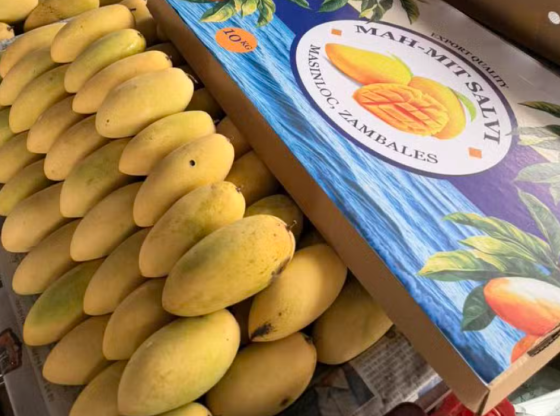

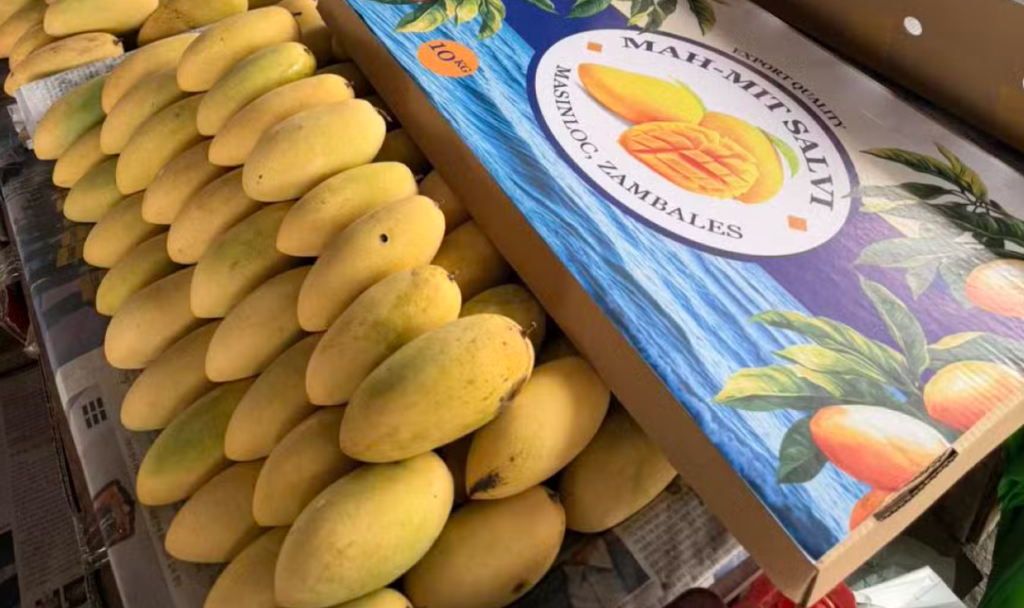
ZAMBALES, Philippines — The Department of Public Works and Highways (DPWH) has unveiled a massive ₱727-million road infrastructure project aimed at connecting remote agricultural areas in Zambales to major commercial hubs. The announcement, made on Friday, April 24, 2026, is part of a broader government initiative to enhance food security and reduce the logistical costs for local farmers.
The project involves the construction and improvement of several key road networks that will serve as vital arteries for the transport of high-value crops and livestock.
The multi-million-peso investment will be distributed across several strategic phases to ensure comprehensive coverage of the province’s agricultural belt:
- Paving and Widening: The project includes the concrete paving of over 15 kilometers of previously unpaved or dilapidated provincial roads, ensuring all-weather accessibility for heavy trucks.
- Bridge Construction: New reinforced concrete bridges will be built to replace temporary spillways that often become impassable during the rainy season.
- Drainage Systems: Advanced drainage and slope protection features are integrated into the design to mitigate the impact of the heavy monsoons typical of the region.
Zambales, known for its world-class mangoes and diverse vegetable production, is expected to see a significant economic uplift once the project is completed:
- Reduced Travel Time: Farmers in upland barangays will see travel times to major markets reduced by as much as 40 percent, ensuring that perishable goods arrive fresh.
- Lower Logistics Costs: Better road conditions will lead to lower maintenance costs for transport vehicles and reduced fuel consumption, allowing farmers to retain a larger portion of their profits.
- Market Expansion: Increased accessibility is expected to attract more bulk buyers and wholesalers directly to the farmgate, eliminating the need for expensive middleman services.
The DPWH emphasized that this project is a critical component of the national “Farm-to-Market Road” (FMR) master plan.
- Supply Chain Resilience: Amidst global supply chain volatility and the “Super El Niño” threat, local infrastructure is seen as a primary defense against domestic food shortages.
- Tourism Synergy: Beyond agriculture, the improved roads are expected to open up new eco-tourism opportunities in the scenic foothills of the Zambales mountain range.
- Employment Generation: The construction phase alone is projected to create hundreds of local jobs for residents of the surrounding municipalities.
The project is slated for completion by the third quarter of 2027, with construction already underway in several priority segments. The DPWH is working in close coordination with the Department of Agriculture (DA) to ensure that the road alignments directly benefit the most productive agricultural clusters in the province.
“This is not just a road; it is a lifeline for our farmers,” a DPWH regional official stated. “By bridging the gap between the field and the market, we are empowering our rural communities to become more competitive and resilient.”