


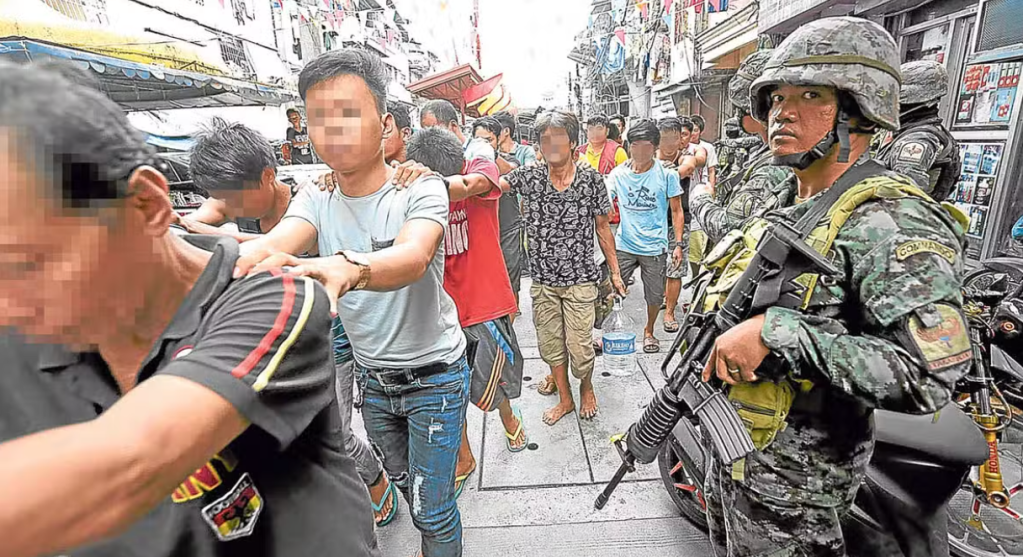
MANILA – A total of 284 drug-related cases resulted in acquittals in 2025 primarily due to flaws in police procedures, such as broken chain of custody, lack of proper inventory, and failure to follow RA 9165 protocols during buy-busts and seizures. The figure, highlighted in a recent Department of Justice (DOJ) review, underscores persistent challenges in building airtight cases against drug suspects, leading to courtroom dismissals despite arrests.
The acquittals stem from common evidentiary issues:
- Non-Compliance with Section 21 (RA 9165): No independent witnesses (e.g., media, barangay officials) during marking/inventory.
- Planted Evidence Claims: Courts acquitted when prosecution failed to prove beyond reasonable doubt.
- Procedural Lapses: Delayed filing, inconsistent testimonies, or mishandled evidence.
Justice Secretary Jesus Crispin Remulla acknowledged the problem but defended ongoing reforms: “We’re training officers better and coordinating with prosecutors earlier.” Critics, including human rights groups, argue the high acquittal rate reflects systemic weaknesses from the Duterte-era drug war legacy, where volume prioritized over quality cases.
While thousands of convictions occurred in 2025, these 284 acquittals—mostly low-level pushers—highlight the cost of sloppy police work: Freed suspects potentially returning to trade, eroded public trust, and wasted resources.
The DOJ vows enhanced case-buildup training for 2026 to boost conviction rates.
Acquittal Causes Snapshot (Common in 284 Cases):
| Issue | Frequency | Impact |
|---|---|---|
| Chain of Custody Breaks | High | Evidence inadmissible |
| No Independent Witnesses | High | Violates RA 9165; automatic doubt |
| Inconsistent Testimonies | Moderate | Reasonable doubt for defense |