
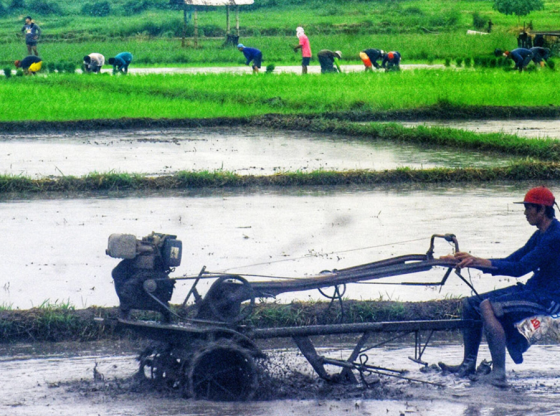


MANILA – The Department of Agriculture (DA) has earmarked P33 billion for the construction and rehabilitation of farm-to-market roads (FMRs) nationwide, a significant investment aimed at slashing post-harvest losses, lowering transportation costs, and enhancing food security by linking rural producers directly to urban markets. The funding, announced on December 14, 2025, as part of the DA’s infrastructure push under the Philippine Rural Development Project (PRDP), will cover new builds, upgrades, and maintenance across high-potential agricultural zones.
Agriculture Secretary Francisco Tiu Laurel Jr. highlighted the program’s transformative impact: “These roads aren’t just concrete—they’re lifelines that connect farmers to consumers, reduce spoilage by up to 30%, and stabilize prices for essentials like rice and vegetables.” The allocation, sourced from the national budget and international partners like the World Bank, prioritizes climate-resilient designs with drainage systems and elevated sections to withstand typhoons—a nod to recent floods that severed rural access.
Key targets include:
- 1,000+ kilometers of new or improved FMRs.
- Focus on top-producing provinces: Nueva Ecija, Isabela, Tarlac (rice); Davao, Bukidnon (fruits/vegetables).
- Integration with Kadiwa ng Pangulo outlets for direct farmer-to-consumer sales.
The move dovetails with the DA’s takeover of FMR oversight from the DPWH starting 2026, following audits that flagged “nonexistent” projects amid the flood control scandal. Laurel vowed transparency: “Every kilometer will be monitored via geo-tagging and community oversight—no more ghosts on the ground.”
For farmers in remote barangays, where muddy paths turn harvests into headaches, this P33-billion pledge isn’t pavement—it’s progress, paving smoother paths to prosperity in a post-pandemic, climate-challenged era.
Funding Snapshot:
| Aspect | Details |
|---|---|
| Total Allocation | P33 billion |
| Scope | Construction, rehab, maintenance |
| Target Length | 1,000+ km |
| Partners | World Bank, local governments |
| Key Benefit | Reduce post-harvest losses by 30% |