
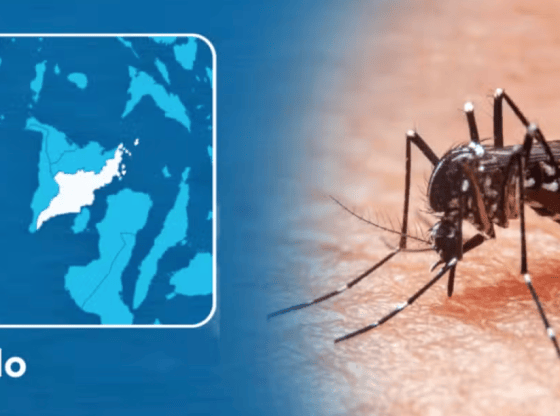


ILOILO CITY – Dengue cases in Iloilo province have plummeted by more than half in 2025, dropping 51 percent from January 1 to December 6 compared to the same period last year, thanks to heightened coordination, community-driven cleanups, and proactive interventions that turned the tide against the mosquito-borne scourge. The encouraging trend, reported by the Iloilo Provincial Health Office (IPHO), underscores the power of early action and public vigilance, even as officials warn that the 21 deaths recorded this year remain “unacceptably high” and demand zero tolerance for fatalities.
The IPHO’s data reveals a stark turnaround: While 11,663 cases and 35 deaths plagued the province in the same timeframe of 2024, 2025 tallied just 5,710 infections and 21 fatalities—a 51.04 percent decline in cases. Hotspots like Oton (409 cases, 1 death), Janiuay (313), Dumangas (283), San Joaquin (266), and Calinog (255) bore the brunt, with deaths scattered across Balasan (4), Pototan, Carles, and Concepcion (2 each), and single fatalities in Oton, Dumangas, Lambunao, Tigbauan, Sara, Passi City, Estancia, Miagao, Maasin, Dueñas, and San Rafael.
IPHO Chief Dr. Maria Socorro Quiñon credited the drop to “aggressive preparation” that kicked in early, as the province hovered within the epidemic threshold from the year’s start. “We heightened our fight against dengue,” Quiñon explained, spotlighting a multi-pronged strategy: Seamless collaboration between the provincial government, local government units (LGUs), and community stakeholders; public behavior shifts toward regular cleanups and mosquito breeding site destruction; and barangay-level alerts to nip outbreaks in the bud. “The [public’s] behavior change helped greatly, in cleaning up, searching and destroying [breeding] places, and to be alert of the cases in their barangays,” she added.
The approach wasn’t reactive but preemptive—mapping high-risk areas, ramping up fogging and larviciding, and mobilizing volunteers for door-to-door education. Community mobilization proved pivotal in curbing case fatality rates, with targeted drives in vulnerable spots like schools and markets. Yet, Quiñon didn’t sugarcoat the sobering reality: “Even as the number of total cases went down [as compared to last year], the 21 deaths this year are still too high for me. Last year, it was 35, but there shouldn’t be even one Ilonggo dying from dengue.”
Looking ahead, the IPHO vows to intensify efforts, focusing on mortality prevention through greater community involvement in high-fatality zones. With the dry season’s mosquito surge looming, Quiñon called for sustained vigilance: “We need to prevent even one death from dengue.” The success story, while a beacon for other provinces, serves as a stark reminder: In a nation where dengue claims over 400 lives annually, half-measures halve the horror—but only zero deaths spell true victory.
This Iloilo blueprint—prep, partner, persist—feels like a festive formula for the holidays: In the archipelago’s endless battle against the buzz, community cleanups aren’t just chores; they’re charms, turning potential pandemics into preventable pauses.
Dengue Stats Snapshot (Jan 1–Dec 6):
| Metric | 2025 (Iloilo) | 2024 (Iloilo) | % Change |
|---|---|---|---|
| Total Cases | 5,710 | 11,663 | -51.04% |
| Deaths | 21 | 35 | -40% |
| Top Municipalities | Oton (409), Janiuay (313), Dumangas (283) | N/A | N/A |