
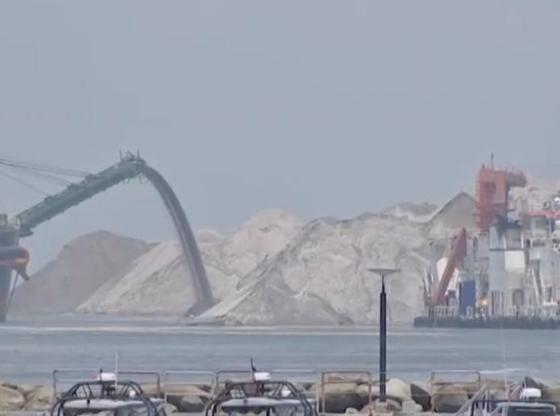

The Department of Environment and Natural Resources (DENR) has identified major flaws in flood management plans for ongoing Manila Bay reclamation projects, raising concerns about water circulation and drainage in affected areas.
Findings from Impact Assessment
Environment Secretary Maria Antonia Yulo-Loyzaga revealed that a study by the University of the Philippines Marine Science Institute found that the projects could disrupt water circulation and hinder drainage from inland areas into Manila Bay.
“No matter what changes happen in Manila Bay’s physical environment, there will be effects, especially on water circulation,” Yulo-Loyzaga explained in an interview with PTV’s Bagong Pilipinas Ngayon.
She added that most reclamation projects lack integration into local government flood management plans, which is critical for preventing urban flooding.
“We cannot move forward if we know that water from rivers and inland areas will be stuck in front of Manila Bay.”
Other Unresolved Issues
The impact assessment also flagged additional concerns, including:
- Traffic management issues – Unclear plans on road connections for the new developments.
- Lack of basic utilities – Uncertainty over sources of water and electricity.
- Solid waste management – No concrete plans for handling waste from reclaimed areas.
- Displacement of fishing communities – Potential loss of livelihood for residents depending on Manila Bay’s marine resources.
“Manila Bay is alive—there are fisheries there. Developers and LGUs must address how they will protect affected communities,” Yulo-Loyzaga stressed.
Suspended Projects and Future Actions
In August 2023, President Ferdinand Marcos Jr. ordered a suspension of Manila Bay reclamation projects due to environmental concerns. The Philippine Reclamation Authority reported that 13 approved projects cover between 5,000 to 6,000 hectares, mostly in Metro Manila and Cavite.
The DENR continues to review and assess the projects to ensure compliance with environmental and social sustainability standards.