
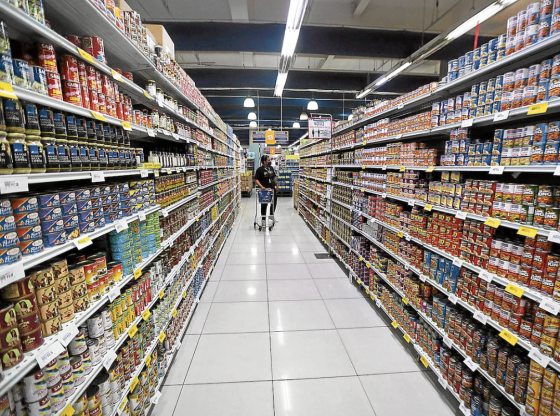

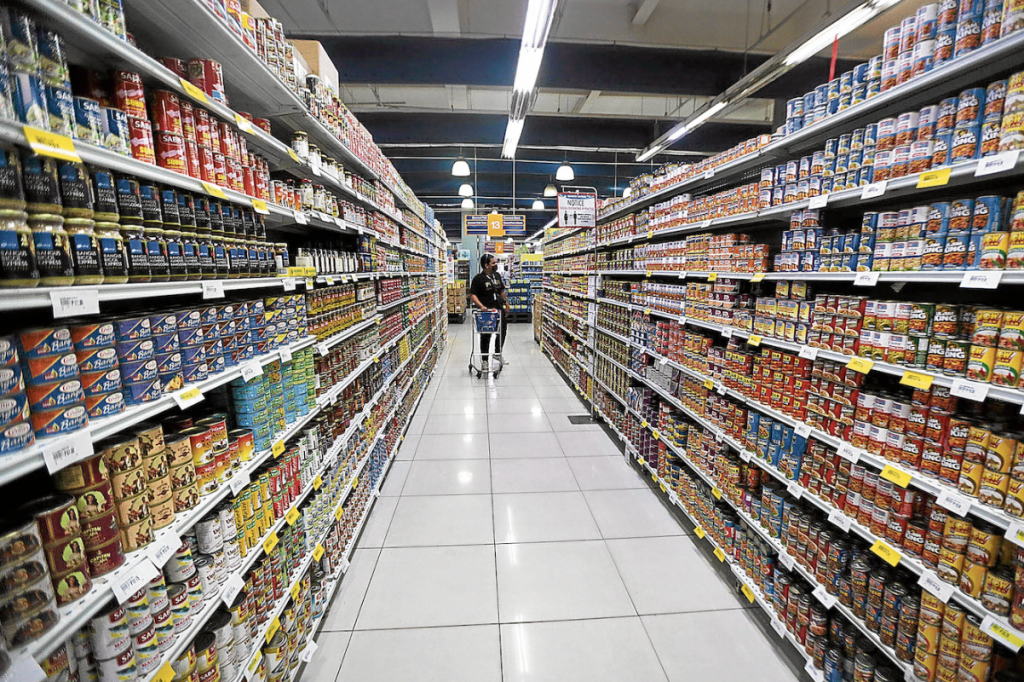
MANILA, Philippines — Bracing for a localized wave of price adjustments due to shifting global commodity metrics and domestic transport overheads, economic managers are advising the public to budget carefully. The Department of Trade and Industry (DTI) announced that retail prices for several basic necessities and prime commodities (BNPCs) are expected to adjust upward in the coming weeks.
The agency confirmed it is currently reviewing a fresh batch of price increase petitions submitted by various local manufacturers.
The impending adjustments cut through multiple grocery staples. Under current consumer protection laws, manufacturers must secure regulatory clearance from the DTI before applying upward adjustments to goods covered by the official Suggested Retail Price (SRP) bulletin:
[Manufacturers File Price Petitions] ──► [DTI Evaluates Cost Component Breakdowns] │ ▼ (The Regulatory Filter) │[Updated SRP Bulletin Released] ◄── [Adjustments Capped via Social Safety Limits]
DTI officials clarified that the pending petitions seek price hikes ranging from 3% to 8%. The adjustments primarily target high-volume household categories—including canned sardines, processed milk, instant noodles, coffee refills, and laundry soap—where production matrices have been heavily hit by raw material price updates.
The upward pressure on retail groceries stems from a combination of international supply bottlenecks and localized infrastructure realities:
                          [ INFLATIONARY PRESSURE POINTS ]
                                         │
        ┌────────────────────────────────┴────────────────────────────────┐
        ▼                                                                 ▼
  [ GLOBAL INPUT COSTS ]                                           [ LOGISTICAL OVERHEADS ]
  • Surging international costs for tin plates used in canned      • Domestic fuel price volatility has significantly
    goods and imported palm oil used in instant noodles.             increased long-haul freight and distribution costs.
  • Compounded by weak currency exchange rates that increase       • Severe agricultural micro-climates have altered
    the final cost of imported agricultural inputs.                  the localized raw material yield index.
To shield low-income households from sudden financial strain, the DTI emphasizes that it is not granting blanket approvals for the requested price increases.
                           [ DTI CONSUMER PROTECTION PROTOCOLS ]
                                             │
         ┌───────────────────────────────────┼───────────────────────────────────┐
         ▼                                   ▼                                   ▼
   [ DATA VERIFICATION ]               [ RETAIL MONITORING ]               [ ANTI-HOARDING DRIVES ]
   Manufacturers must present ironclad  Fair Trade Enforcement Bureau       Field agents are inspecting public
   proof of actual cost increases       (FTEB) teams are conducting daily   markets to arrest unscrupulous
   before any hike is approved.         market sweeps to prevent gouging.   traders exploiting the transition.
“We are meticulously verifying the cost components presented by manufacturers to ensure that any adjustments are justifiable… Our primary mandate remains balancing the viability of our local production sector with the purchasing power of the ordinary Filipino consumer.” — DTI Consumer Protection Group Representative
Moving forward, the DTI aims to publish the fully updated, calibrated SRP bulletin before the end of the month. To mitigate the impact of the adjustments, trade managers are actively collaborating with major supermarket chains to expand the availability of affordable, high-quality “Pinoy Primer” house brands, offering budget-conscious shoppers reliable alternatives to premium-priced commercial goods.