
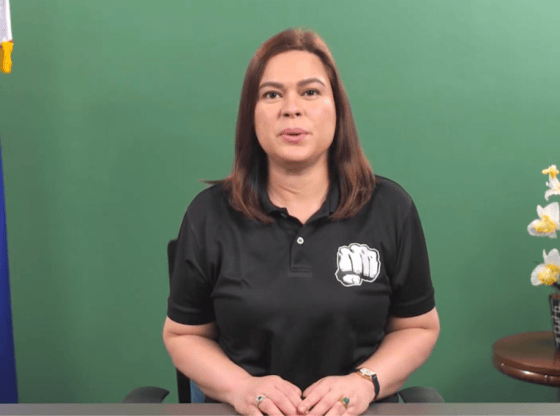


MANILA, Philippines — A constitutional law expert has cautioned the Supreme Court (SC) against intervening in the ongoing impeachment proceedings against Vice President Sara Duterte, warning that a second consecutive year of judicial interference could undermine the constitutional separation of powers.
Paolo Tamase, associate dean at the University of the Philippines Diliman College of Law, stated on Saturday, April 11, 2026, that the vice president’s recent petition for a Temporary Restraining Order (TRO) against the House of Representatives is “premature.”
Tamase emphasized that the impeachment process is currently at its earliest stage—the inquiry by the House Committee on Justice.
- Political Drag: Intervening now risks dragging the high court into “high politics,” forcing it to rule on political rather than purely legal grounds.
- Supervisory Communication: Tamase argued that if the SC intervenes again, it effectively communicates to Congress that the judiciary “supervises” a process the Constitution explicitly grants to the legislative branch.
- Amending the Constitution: He warned that repeated interventions could “effectively amend impeachment out of the Constitution,” eroding the co-equality of the branches of government.
The petition filed by Vice President Duterte’s defense team seeks to stop the House inquiry. This follows a successful legal challenge last year when the SC declared previous articles of impeachment unconstitutional due to a violation of the “one-year ban” rule and a lack of due process for the vice president.
- Confidence in Precedent: Analysts suggest the current petition reflects the VP’s confidence that the court will uphold its previous stance on procedural fairness.
- “Highly Unusual”: Tamase noted that while the SC has the “final word” on the Constitution, it historically avoids stepping in until the trial stage or much later in the House’s process.
In the absence of a TRO, Tamase advised the House of Representatives to proceed with its inquiries.
- Transparency: He urged the lower house to be “as transparent as possible” to maintain public trust.
- Asserting Prerogative: The expert reminded lawmakers that the House is “not a sitting duck” and should assert its exclusive power under the 1987 Constitution to initiate impeachment cases.
The Supreme Court has yet to issue a ruling or a TRO on the matter. As the political standoff continues, the legal community is watching closely to see if the judiciary will maintain its “prudent approach” or once again step into the fray of one of the country’s most significant political conflicts.