


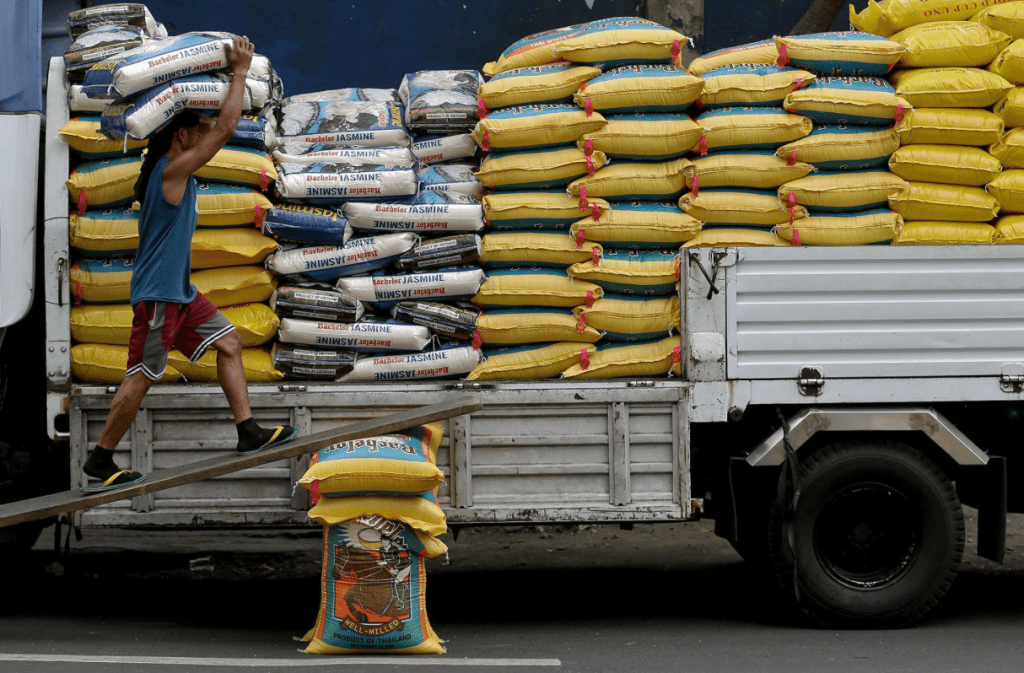
MANILA, Philippines — To combat “unreasonable” price hikes and market abuse, President Ferdinand Marcos Jr. issued Executive Order No. 118 on Wednesday, May 13, 2026, imposing a temporary price ceiling of ₱50 per kilogram on imported rice.
The mandatory cap is effective nationwide for 30 days, unless the President chooses to lift it earlier based on recommendations from the National Price Coordinating Council (NPCC).
The order specifically targets imported rice with 5% broken content, setting a maximum retail price to protect consumers from the ripple effects of the ongoing Middle East crisis and rising inflation.
- Rationale: The government cited a “need for urgent measures” to curb profiteering and ensure that the staple remains accessible and reasonably priced for all Filipinos.
- Enforcement Agencies: The Department of Trade and Industry (DTI) and the Department of Agriculture (DA) have been directed to strictly monitor the market and investigate any “abnormal price movements.”
- Law Enforcement Support: The PNP, DILG, and other agencies are tasked with ensuring the cap is followed, while the Bureau of Customs (BOC) will intensify operations against rice smuggling and hoarding.
The price cap follows a period of heightened economic volatility in 2026:
- Inflation Surge: Rice inflation rose significantly in early 2026, reaching 13.7% in April, partly due to supply chain disruptions caused by geopolitical tensions.
- Energy Emergency: The cap is part of a broader government response under the Unified Package for Livelihoods, Industry, Food, and Transport (UPLIFT) committee, formed to mitigate the impact of the year-long energy emergency declared in March.
While the measure aims to provide immediate relief to consumers, agricultural groups have expressed mixed views:
- Consumer Relief: Agriculture Secretary Francisco Tiu Laurel Jr. emphasized that the cap provides “immediate relief” without destabilizing the market.
- Farmer Concerns: Raul Montemayor of the Federation of Free Farmers noted that while the harvest season is nearly over, there is a risk that traders might lower the buying price of local palay (unmilled rice) to maintain their margins under the ₱50 cap.
The NPCC is required to conduct a periodic review of the price ceiling every 15 days. Based on these reviews, they will recommend whether the cap should be continued, adjusted, or discontinued.