
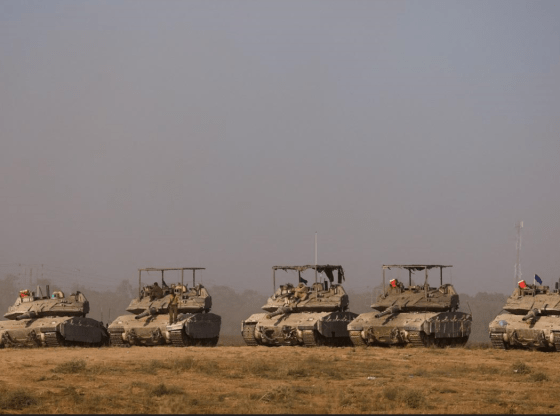

Israeli forces made significant advances on Sunday into the Shejaia neighborhood of northern Gaza and deeper into western and central Rafah in the south, resulting in the deaths of at least six Palestinians and the destruction of several homes, according to local residents.
Intensified Military Operations
Israeli tanks, which re-entered Shejaia four days ago, fired shells at multiple houses, trapping families inside, residents reported. Speaking at the start of the weekly cabinet meeting, Israeli Prime Minister Benjamin Netanyahu reiterated the importance of achieving victory against Hamas.
“Our forces are operating in Rafah, Shejaia, everywhere in the Gaza Strip. Dozens of terrorists are being eliminated every day. This is a difficult fight that is being waged above ground, sometimes in hand-to-hand combat, and below ground as well,” Netanyahu said. He emphasized the objectives: eliminating Hamas, rescuing hostages, ensuring Gaza never again threatens Israel, and returning residents securely to their homes.
Military Engagements and Casualties
The Israeli military confirmed that operations in Shejaia had resulted in the deaths of several Palestinian gunmen. Military infrastructure was found inside a United Nations school, along with weapons and valuable intelligence documents, the military stated.
On Saturday, the military announced the deaths of two Israeli soldiers in northern Gaza. In Shejaia, forces discovered a “terrorist war room” in a clinic, accusing Hamas of embedding itself in civilian structures for terror purposes. Hamas denies using civilian sites for military activities.
Hamas and Islamic Jihad’s Response
Hamas and Islamic Jihad reported intense fighting in Shejaia and Rafah, with their fighters deploying anti-tank rockets and mortar bombs against Israeli forces. Despite Israel’s prolonged air and ground campaign, militants continue to attack Israeli forces in areas claimed to be under Israeli control.
Ceasefire Efforts and Conditions
Efforts by Arab mediators, supported by the United States, have failed to secure a ceasefire. Hamas insists any agreement must end the war and ensure a full Israeli withdrawal from Gaza. Israel is only willing to consider temporary pauses until Hamas is eradicated.
Rafah Casualties and Destruction
In Rafah, near the Egyptian border, Israeli tanks advanced into several districts. Medics reported six deaths from an Israeli strike on a house in Shaboura. The victims, from the Zurub family, were mourned by relatives before being buried.
Residents also reported the torching of the Al-Awda mosque by the Israeli army, a prominent mosque in Rafah. Israel claims its operations in Rafah aim to eradicate the last armed battalions of Hamas. The Israeli military reported continued “targeted, intelligence-based” operations in Rafah, dismantling tunnels and killing several gunmen.
Humanitarian Crisis
Gaza’s health ministry warned that fuel shortages could shut down all remaining hospitals, health facilities, and oxygen generators within 48 hours without new fuel supplies. The conflict, triggered by a Hamas-led attack on southern Israel on October 7, has resulted in significant casualties and destruction. The Gaza health ministry reports nearly 38,000 deaths from Israel’s retaliatory offensive, which has devastated the enclave. Israel’s figures include around 1,200 people killed and over 250 hostages taken during the initial Hamas assault, with more than 300 Israeli soldiers killed in the subsequent conflict. Israel asserts that at least a third of the Palestinian dead are fighters, while most of the casualties are civilians according to Gaza officials.