
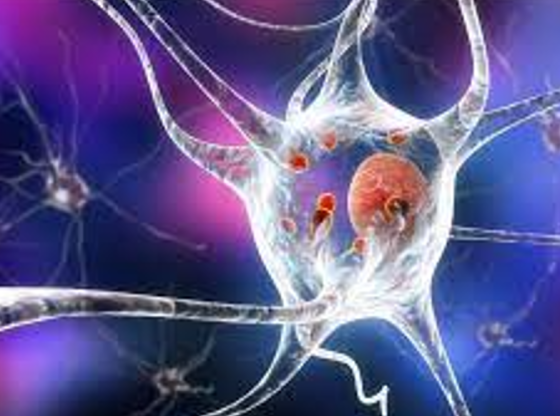

Japanese scientists have made a significant breakthrough in Alzheimer’s research by reversing synapse damage in lab mice, restoring their cognitive function to the level of healthy mice. This discovery, detailed in a study published in the journal Brain Research, could pave the way for new treatments for Alzheimer’s disease, a condition that affects millions worldwide.
Researchers at the Okinawa Institute of Science and Technology developed a synthetic peptide, a small chain of amino acids, which they administered intranasally to the mice. This peptide successfully restored the function of synapses, the critical parts of neurons that transmit chemical messages.
The study focused on the protein tau, which accumulates in the brains of Alzheimer’s patients and disrupts synaptic communication by depleting the enzyme dynamin. The peptide prevents tau from interfering with dynamin, reversing the symptoms of Alzheimer’s in the treated mice, provided they are treated early.
“We strongly hope that our peptide could go through the tests and reach Alzheimer’s disease patients without much delay and rescue their cognitive symptoms,” said Tomoyuki Takahashi, the study’s principal investigator, in a statement.
While translating these findings from mice to humans will take time, the researchers are optimistic. Chia-Jung Chang, the study’s first author, noted that rapid development of treatments, as seen with the coronavirus vaccine, is possible without compromising scientific rigor or safety. Although they do not expect progress to be as swift, they believe governments, particularly in Japan, are motivated to address Alzheimer’s disease.
This research offers hope that future generations might benefit from effective treatments for Alzheimer’s, potentially reversing cognitive decline if diagnosed and treated early.