


MANILA – In a welcome reprieve for millions of daily commuters navigating the holiday hustle, the Land Transportation Franchising and Regulatory Board (LTFRB) announced on Friday that there will be no fare increase for traditional and modern jeepneys following a significant diesel price rollback. The decision, hailed as a timely economic buffer, overrides transport groups’ recent push for a P1 to P2 hike on the current minimum fares of P13 for traditional units and P15 for modern ones, prioritizing recovery from recent calamities over added burdens.
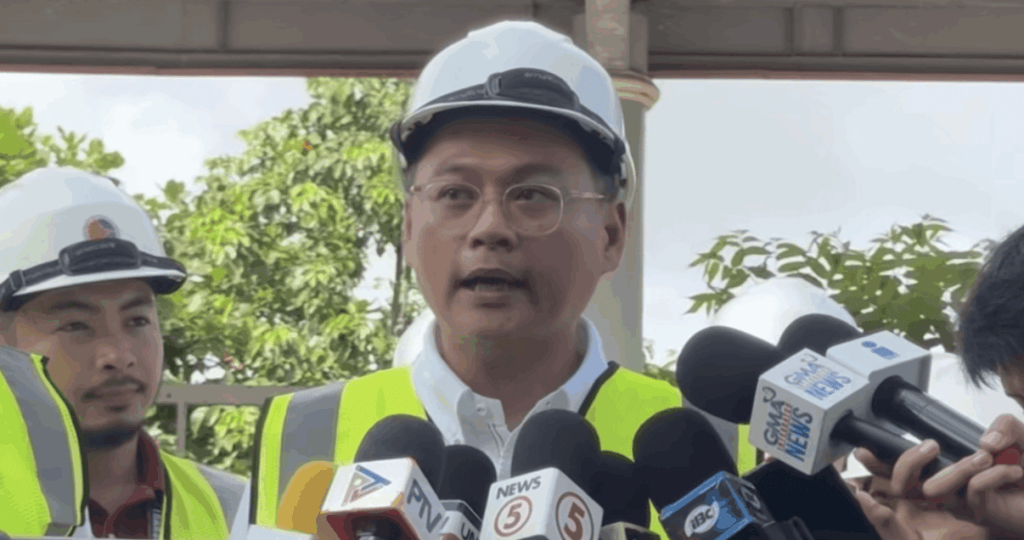
Acting Department of Transportation (DOTr) Secretary Giovanni Lopez underscored the rationale during a briefing, emphasizing the broader ripple effects of any adjustment. “A fare hike will have a big impact on the economy as a whole, especially since many provinces are yet to recover from the effects of calamities, such as the past earthquakes and typhoons,” Lopez stated. A study by the Department of Economic Planning and Development further reinforced the stance, projecting that such an increase could elevate the country’s inflation rate over the next two years while driving up prices for basic goods and straining household budgets.
The LTFRB’s Chair, Vigor Mendoza, revealed that opposition to the hike was widespread, with five key regions – Central Luzon, Calabarzon, Bicol Region, Central Visayas, and Metro Manila (three of the most populous areas) – firmly against it. Internal LTFRB assessments and dialogues with transport organizations indicated that public utility vehicle (PUV) operators are now reconsidering their demands, swayed by the rollback’s benefits and the need for collective resilience.
Fuel Rollback Breakdown: Diesel Dives, Easing Transport Costs
The decision aligns with a substantial oil price reduction effective December 9, 2025, which slashes diesel by P2.90 per liter – a “big-time” relief for jeepney operators who rely heavily on the fuel. Gasoline edges up slightly by P0.20 per liter, but the net effect favors commuters, potentially stabilizing operational costs without passing on hikes. “This rollback gives us breathing room – no need to burden passengers right now,” echoed a LTFRB official, noting the rollback’s timely arrival ahead of peak holiday traffic.
Anti-Colorum Task Force: Chasing the Real Culprits
To bolster earnings for legitimate PUV drivers without fare adjustments, the DOTr and LTFRB – in tandem with the Department of Justice and the Presidential Anti-Organized Crime Commission – have ramped up the Anti-Colorum Task Force. This crackdown targets illegal, unregistered, or “colorum” PUVs, which an LTFRB study estimates siphon up to 30% of business from compliant operators. Lopez vowed an unrelenting pursuit: “We will chase and catch everyone involved in these illegal operations. The DOTr and the LTFRB will not stop in our pursuit for the sake of legitimate PUV drivers and commuters who rely on them.”
Mendoza also called on unregistered PUVs, including transport network vehicle service (TNVS) drivers, to seize 17,000 available registration slots. “Compliance isn’t optional – it’s the key to fair competition and safer rides,” he urged, linking the initiative to broader road safety goals.
For the everyday Pinoy braving EDSA snarls or provincial jaunts, this no-hike nod feels like a festive favor – a diesel discount that keeps the merry in merrymaking without the sting of steeper fares. As Simbang Gabi dawns and markets swell, Lopez’s words ring resonant: In the Philippines’ transport tango, recovery trumps raises, turning potential pain into progress, one rollback at a time.