

LUPAO, Nueva Ecija – In a damning exposé that’s rippling through the corridors of local governance, this quiet farming town has enlisted the National Bureau of Investigation (NBI) to unravel a web of alleged “ghost” infrastructure projects totaling over P198 million, where official stamps and signatures turned out to be as real as the roads that never materialized. The probe, kicked off by Mayor Glenda Romano’s administration, shines a harsh light on potential graft from the previous term, with forged documents pointing to a brazen bid to siphon public funds under the guise of development.
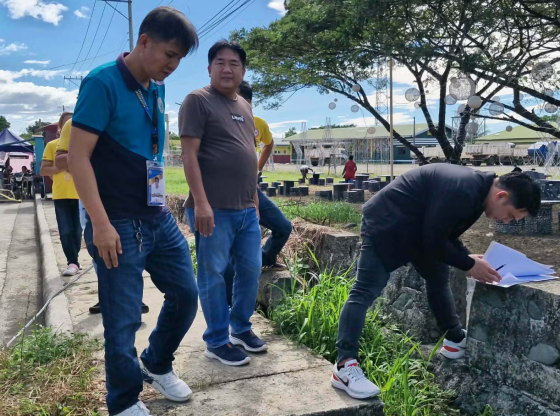
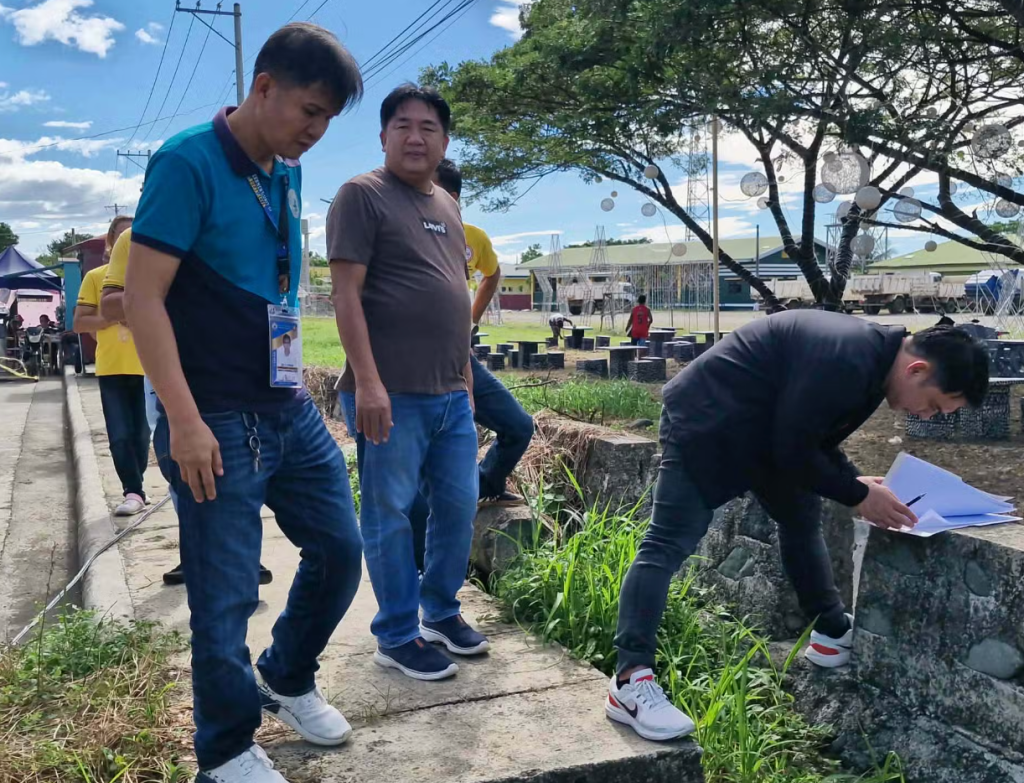
The saga unfolded last week when the Department of Public Works and Highways (DPWH) Central Office fired off a letter to Lupao’s local government, flagging 11 supposed projects – everything from road concreting to drainage systems – that a Bulacan-based outfit, Topmost Construction, claimed to have wrapped up during the watch of now-Vice Mayor Alex Rommel Romano. But when teams hit the ground for spot checks, the sites stared back empty-handed: No fresh asphalt, no culverts, no trace of the multimillion-peso magic. “We immediately conducted an investigation within Lupao. During our inspection, we found that none of the projects mentioned in the letter actually exists,” Mayor Romano declared in a no-nonsense statement, her resolve cutting through the bureaucratic fog.
Digging deeper, the town’s sleuths uncovered a paper trail riddled with red flags. None of the permits, contracts, or disbursement requests had ever crossed the desk of the local engineering office or treasurer’s vault. Worse, the clutch of documents – notices of award, orders to proceed, contract agreements, certificates of acceptance, and completion reports – bore the forged scrawl of the former mayor himself. “We are requesting that all the documents related to these supposed projects be thoroughly investigated … all these papers were fabricated, especially the signature of our former mayor,” Romano fumed, vowing to leave no stone unturned in the quest for accountability.
The plot thickens with Ma. Victoria Gregorio, head of the DPWH’s Procurement Service, who on September 4 transmitted the suspicious paperwork to the central office for vetting. Topmost Construction, the phantom builder at the heart of it all, now faces the full glare of scrutiny as the NBI steps in to trace the money trail and unmask the forgers. For Lupao’s 31,000 residents, who’ve long griped about pothole-riddled backroads and flood-prone fields, this isn’t just red tape gone rogue – it’s a betrayal of the very infrastructure meant to lift them up.
Romano isn’t stopping at finger-pointing; she’s doubling down on safeguards. “We want to make sure this never happens again. Integrity and transparency in public service must always be protected,” she affirmed, announcing beefed-up internal checks to plug the leaks that let these ghosts slip through. It’s a proactive punch in a province where development dollars too often vanish into thin air.
This Lupao bombshell slots into a national nightmare of ghost-busting: Just last month, probes unearthed 28 similar scams across seven regions, with whispers of up to 1,200 players tangled in a P20-billion flood control fiasco. As the NBI’s hounds take the scent, the hope is that today’s local headache becomes tomorrow’s nationwide wake-up call – because in the end, Filipinos deserve roads that lead somewhere, not smoke and mirrors.