
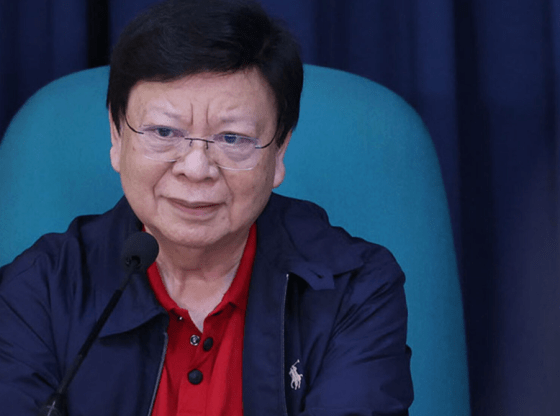


MANILA, Philippines — In a sudden shift to defuse an intense wave of backlash from the local press corps, SAGIP Party-list Representative Rodante Marcoleta has issued a formal apology to members of the media. The high-profile lawmaker expressed deep regret over his highly controversial “paid hacks” remark, clarifying that the statement was made in the heat of the moment and did not reflect his true view of the journalism profession.
The apology comes after major press organizations, news networks, and watchdogs aggressively condemned his statements, labeling them a direct assault on press freedom and editorial independence.
The controversy erupted during a tense media briefing earlier in the week. Frustrated by sharp, persistent lines of questioning regarding his active legislative record, committee maneuvers, and political alliances, Marcoleta lashed out at the attending reporters:
                        [ THE ANATOMY OF A LEGISLATIVE RETRACTION ]
                                             │
         ┌───────────────────────────────────┴───────────────────────────────────┐
         ▼                                                                       ▼
   [ THE CONTROVERSIAL CLAIM ]                                             [ THE WALKBACK APOLOGY ]
 • **The "Paid Hacks" Slur:** Marcoleta initially insinuated that    • **"I Didn't Mean It":** In his formal clarification, Marcoleta
   the reporters asking critical questions were operating under      insisted that his harsh words were an emotional misfire rather
   the payroll of his political rivals or corporate adversaries.     than a calculated, systematic accusation.
 • **The Media Redline:** Press clubs immediately united, warning    • **Recognizing the Fourth Estate:** The lawmaker conceded that
   that baselessly accusing journalists of being financially compromised professional media groups play an irreplaceable role in keeping
   dangerously undermines public trust in democratic institutions.    state officials publicly accountable.
Local press groups—including the National Union of Journalists of the Philippines (NUJP) and the house press corps—refused to let the comment slide, immediately issuing statements to protect the safety and credibility of field reporters:
[ THE STRUCTURAL RIFT IN PRESS-STATE DYNAMICS ] │ ▼[ Weaponizing Defamation ] ──► Media watchdogs pointed out that calling journalists "paid hacks" is a classic, lazy political defense mechanism used to evade legitimate public scrutiny. │ ▼[ Heightening Field Dangers ] ──► Press clubs warned that labeling specific media outfits as corrupt incites online harassment and physical threats against field reporters covering the congressional beat. │ ▼[ Demanding Accountability ] ──► Congressional reporters hinted at a potential coverage boycott if the lawmaker failed to issue a clear, unconditional, and public retraction of his statements.
While Marcoleta’s swift apology has successfully lowered the immediate political temperature inside the Batasang Pambansa press room, media analysts note that the friction highlights an enduring tension between veteran politicians and aggressive investigative journalism.
| Legislative Metric Layer | The Initial Outburst Stance | The Post-Apology Resolution |
| View on Critical Press | Dismissed investigative inquiries as coordinated, malicious, and financially motivated character assassination. | Acknowledged that tough questioning is part of a healthy, functioning democratic system of checks and balances. |
| Media Pool Relations | Threatened to restrict access and stonewall specific news desks during upcoming committee hearings. | Formally restored open lines of communication, promising transparent access for all accredited news bureaus. |
| Socio-Political Fallout | Drew intense online condemnation, alienating key media allies ahead of crucial legislative pushes. | Mitigated long-term public relations damage, though media watchdogs vow to keep a highly watchful eye on future behavior. |
The SAGIP Party-list representative concluded his statement by appealing for a professional reset, stating that he hopes both his office and the media can move forward and focus on pressing national issues. While the apology has effectively broken the immediate gridlock between the lawmaker and the press gallery, reporters have made it clear that their cameras and microphones will remain as sharp and unyielding as ever—proving that in the arena of public service, elected leaders cannot easily bypass the scrutiny of the Fourth Estate.