
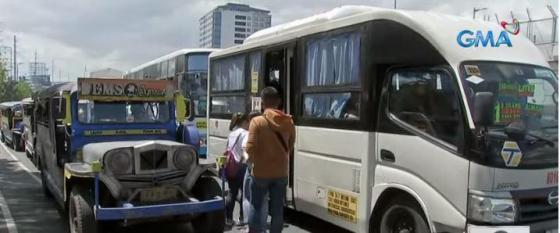

The Public Utility Vehicle Modernization Program (PUVMP), an initiative to modernize jeepneys across the Philippines, has achieved significant progress, according to the Land Transportation Franchising and Regulatory Board (LTFRB). As of now, the nationwide consolidation rate for the program stands at 80%, with the National Capital Region (NCR) showcasing a remarkable consolidation of around 96% among active jeepneys.
However, LTFRB chairperson Teofilo Guadiz III noted that including non-active jeepneys, the consolidation in Metro Manila drops to approximately 56%. This distinction underscores the complexity of the modernization process and the challenges faced in fully implementing the program.
The PUVMP, initiated in 2017, aims to phase out older jeepneys in favor of vehicles with Euro 4-compliant engines to reduce pollution and improve road safety by ensuring vehicles meet the Land Transportation Office’s roadworthiness standards. A critical component of the program is the consolidation of individual PUV franchises into cooperatives or corporations, facilitating the transition to modernized units.
Despite the substantial investment required for modern jeepneys, with units costing over P2 million, the government has remained steadfast in its commitment to the program. This determination, coupled with a subsidy for the downpayment of modern units, has significantly contributed to the current rate of consolidation.
The program has not been without its detractors, with transport groups staging protests against the financial burdens it imposes on drivers and operators. Additionally, two petitions have been filed with the Supreme Court seeking to halt the PUVMP’s implementation and declare related orders and memoranda null and void, highlighting ongoing opposition to the modernization efforts.
With the consolidation deadline set for April 30, the LTFRB’s report indicates a strong governmental push towards completing the modernization process, aiming to transform the country’s public transportation landscape into a more environmentally friendly and efficient system.