

MANILA, Philippines — The National Food Authority (NFA) is pivoting its strategy to address the rising cost of the country’s staple grain by pushing for direct rice sales to consumers and marginalized sectors. This move comes as a response to the ongoing “rice crisis” exacerbated by global supply chain disruptions and the impact of the El Niño phenomenon on local harvests. By bypassing traditional middlemen and commercial wholesalers, the NFA aims to stabilize retail prices and ensure that affordable rice reaches the tables of those most affected by food inflation.
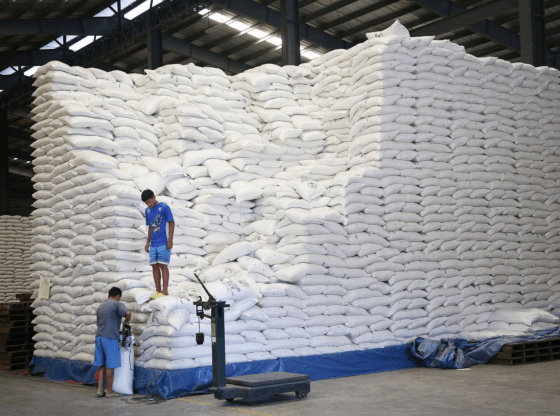
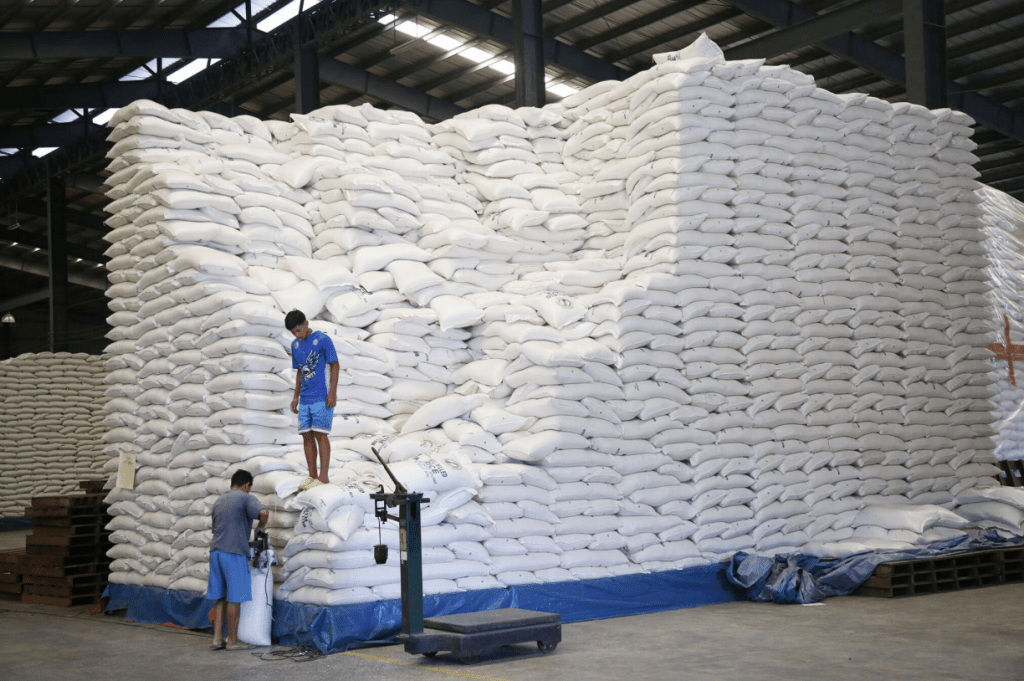
Under the new directive, the NFA will utilize its existing warehouse network and partner with local government units (LGUs) to set up “Kadiwa-style” retail outlets. These stations will offer high-quality, well-milled rice at prices significantly lower than those found in commercial markets, providing an immediate safety net for low-income families.
“Our priority is to protect the Filipino consumer,” an NFA official stated during a briefing. “By selling directly to the public through organized channels, we can eliminate the ‘price layering’ that happens when rice passes through multiple hands. We are also coordinating with the Department of Agriculture to ensure that our buffer stocks are released strategically to areas with the highest price volatility.”
The NFA’s “Direct-to-Consumer” push includes several key operational shifts:
- LGU Partnerships: The NFA is signing Memorandums of Agreement (MOAs) with city and municipal mayors to allow the agency to sell rice directly in public markets and barangay halls.
- Rolling Stores: Mobile “Kadiwa on Wheels” trucks will be deployed to remote and underserved areas, bringing NFA rice directly to the doorsteps of far-flung communities.
- Institutional Sales: The agency is also looking at direct sales to government hospitals, jails, and social welfare centers to lower their operational food costs.
- Strict Monitoring: To prevent hoarding and the illegal diversion of NFA rice back into the commercial market, the agency is implementing a “one-bag-per-person” policy at its retail outlets.
Economic analysts suggest that while direct sales provide temporary relief, the long-term solution remains the modernization of the local rice industry and the enhancement of post-harvest facilities. The NFA has also reiterated that its primary mandate remains the maintenance of a 90-day national buffer stock, sourced primarily from local farmers at competitive “palay” buying prices.
The shift to direct sales has been met with praise from consumer advocacy groups, though some market stakeholders have raised concerns about the logistical capacity of the NFA to handle large-scale retail operations. In response, the agency has called for increased volunteers and support from the private sector to assist in the distribution efforts.
As the government continues to navigate the complexities of the rice market, the NFA’s proactive stance is seen as a crucial step in maintaining social stability and ensuring that no Filipino family goes hungry during these challenging economic times.