
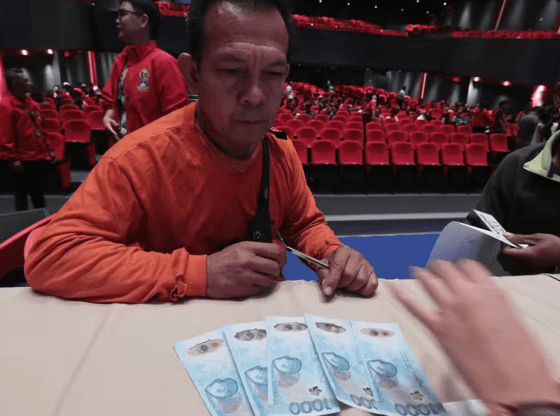

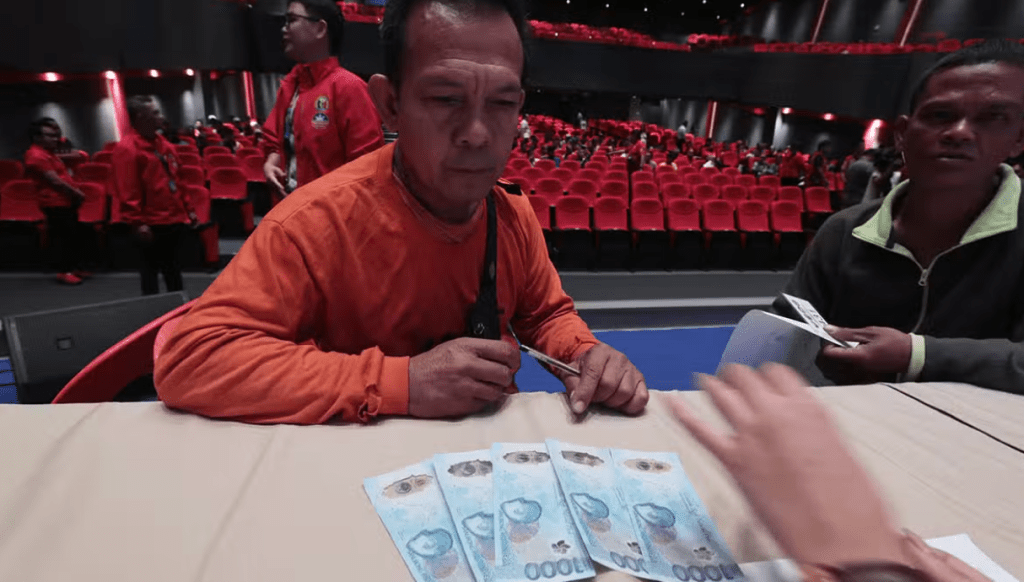
MANILA, Philippines — In a major move to provide immediate relief to the transport sector, the national government has announced that tricycle drivers in Metro Manila will be the first recipients of the latest round of Fuel Subsidy Cash Aid. The program, spearheaded by the Department of Transportation (DOTr) and the Department of the Interior and Local Government (DILG), aims to cushion the impact of the “diesel double whammy” on the most vulnerable public utility vehicle (PUV) operators.
The rollout marks a shift in the government’s distribution strategy, prioritizing small-scale, short-distance transport providers who often operate on razor-thin margins. Each eligible tricycle driver is set to receive a one-time cash grant of ₱6,500, which will be disbursed through digital wallets and accredited government banks.
“Our tricycle drivers are the backbone of local community transport,” a DILG official stated during the launch in Quezon City. “They are the ones most affected by every centavo increase at the pump because they cannot easily pass on the costs to their passengers. By putting this cash aid directly into their hands first, we are ensuring that local commerce and mobility remain uninterrupted.”
The selection and verification process for the subsidy involves several layers of coordination:
- Masterlist Consolidation: The DILG is working with Local Government Units (LGUs) to verify the names of drivers registered under valid Tricycle Operator and Driver Associations (TODAs).
- Franchise Validation: Only those with active and updated Mayor’s Permits and franchises are eligible for the grant, encouraging informal “colorum” operators to regularize their status.
- Digital Disbursement: To ensure transparency and speed, the funds are being sent via platforms like GCash, Maya, and LandBank cards, minimizing the risk of “middleman” deductions or long physical queues.
While the initial phase focuses on Metro Manila due to the high density of transport workers and the elevated cost of living in the capital, the DOTr has assured that the program will be scaled nationwide in the coming weeks. Following the tricycle sector, the government plans to expand the aid to jeepney drivers, bus operators, and delivery riders who are also grappling with high operational costs.
Transport groups have welcomed the “Metro-first” approach but are calling for a more sustainable, long-term solution to fuel volatility. Some TODA leaders have suggested a “floating fare” system or a permanent discount at participating gas stations for registered PUVs.
As the first tranches of cash hit the digital wallets of Manila’s tricycle drivers, the government is monitoring the feedback to refine the process for the provincial rollout. The initiative is seen as a critical “social safety net” to prevent a spike in local transport fares and ensure that essential workers can continue to earn a living despite global energy pressures.