

Now Safe From Hazardous Smoke, Obando Set for Three Days of Feasts
OBANDO, Bulacan — Following a month-long environmental crisis that blanketed communities in toxic fumes, this coastal town is officially clear of hazardous smoke and ready to host its renowned annual celebration. Environmental laboratory tests confirmed that air and water quality have returned to safe baselines, greenlighting the town’s three-day Fertility Dance and Good Harvest Festival.
The welcoming atmospheric shift follows the complete containment of the massive Navotas sanitary landfill fire, which ignited on April 10 and burned for an entire month before being fully extinguished on May 10.
Obando Mayor Leonardo Valeda announced on Saturday, May 16, that official testing arrays had returned clear results across the municipality, providing a dual cause for celebration and institutional thanksgiving:
- The Impact Zone: The island barangay of Salambao and the village of Binuangan bore the absolute brunt of the environmental disaster due to their close physical proximity to the landfill site across the river border.
- The Protective Measures: During the peak of the toxic burn, local health boards evacuated multiple high-risk families from Salambao, ordered the universal use of N95 facemasks townwide, and formally placed Obando under a State of Calamity on April 30 to unlock emergency health funding.
- The Clear Indicator: With the smoke plume entirely dissipated and safety metrics verified, local leadership declared the municipality completely ready to safely accommodate the thousands of pilgrims and tourists expected to arrive over the weekend.
The celebrated festival consists of a highly specific three-day sequence, with each day dedicated to a particular patron saint, combining deep Roman Catholic tradition with ancient, localized rituals:
[ Sunday, May 17 ] ──────────> [ Monday, May 18 ] ──────────> [ Tuesday, May 19 ] San Pascual Baylon Santa Clara de Asis Nuestra Señora de Salambao (Men, Cooks, & Vocations) (The Fertility Dance) (Bountiful Harvests)
Day 1: Sunday, May 17 — Feast of San Pascual Baylon
The opening day honors the Saint of Eucharistic Associations, cooks, male children, and priesthood vocations. The initial processions primarily draw families praying for male heirs or individuals pursuing religious callings.
Day 2: Monday, May 18 — Feast of Santa Clara (Saint Claire of Assisi)
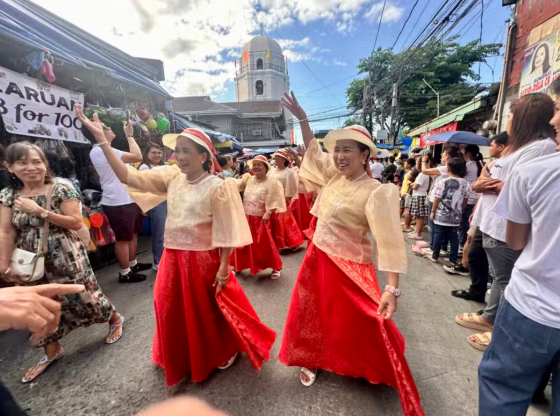
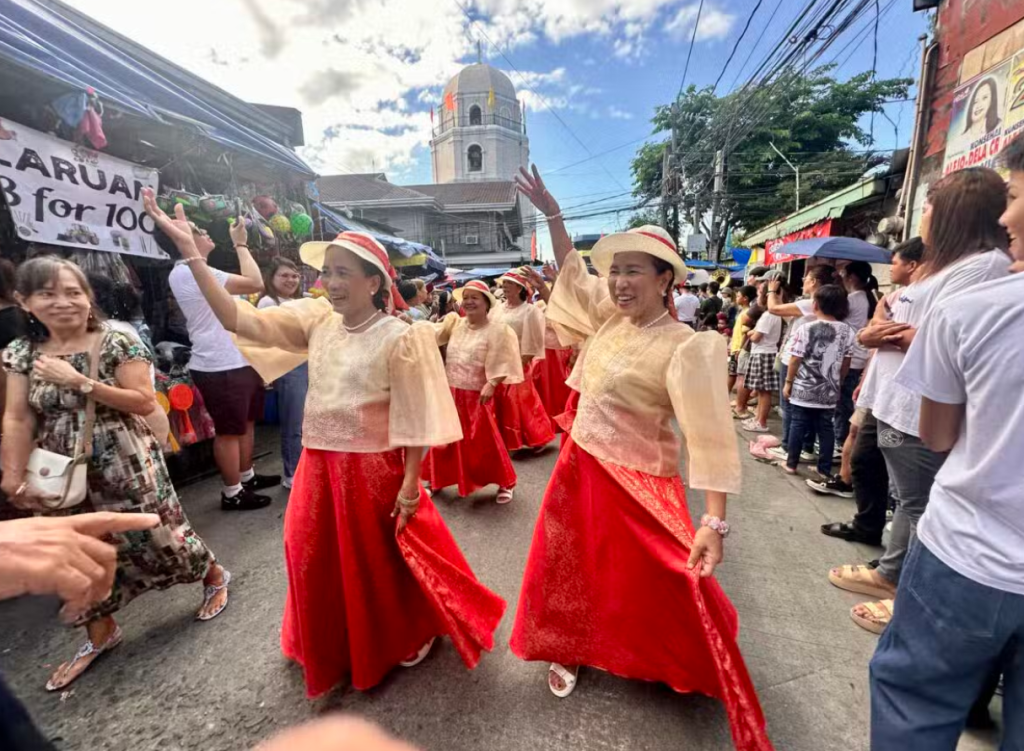
This represents the absolute climax of the festival, drawing the largest crowds to Obando Church. Countless childless couples, hopeful singles, and pilgrims from across the country take to the streets to perform the traditional rhythmic fertility dance, swaying in unison as brass marching bands play the centuries-old festival melody.
Day 3: Tuesday, May 19 — Feast of Nuestra Señora de Salambao
The final day turns the spotlight toward Obando’s coastal identity. Dedicated to Our Lady of Salambao (named after the traditional salambao fishing net), this segment serves as a massive thanksgiving ritual for fishermen, farmers, and local businesses praying for sustained livelihoods and bountiful harvests through the rest of the year.
Located on the southwestern border of Bulacan, Obando is a vital coastal municipality composed of 11 barangays. It functions as a direct geographical bridge between Central Luzon and Metro Manila, sitting immediately adjacent to the cities of Malabon, Caloocan, and Navotas to its south, and Meycauayan and Bulakan to its north and east.