
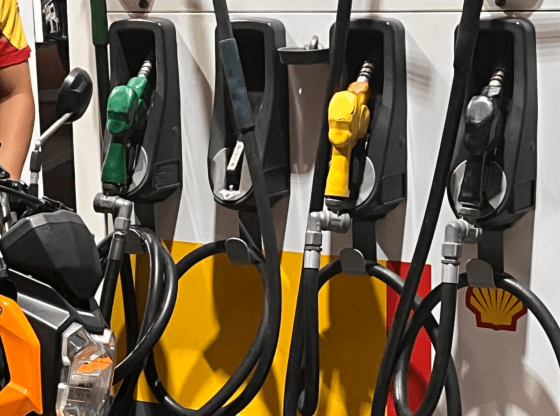

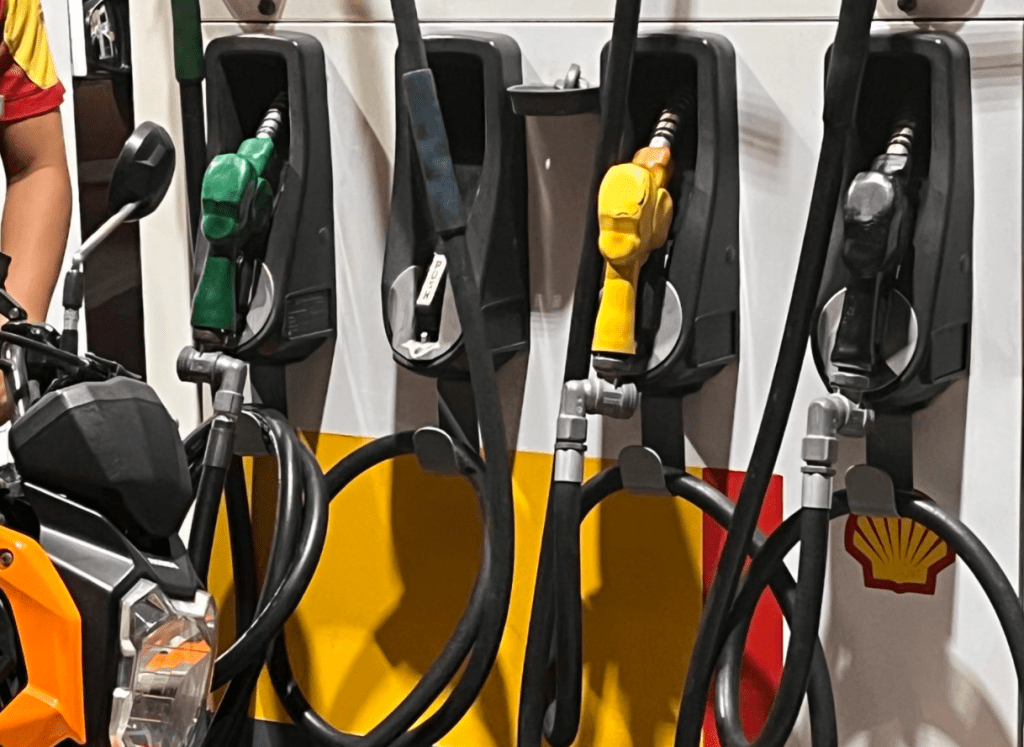
MANILA, Philippines — Malacañang has formally rejected mounting calls from various labor groups and transport sectors for a government takeover or the “nationalization” of the country’s oil industry. Despite the sustained surge in global crude prices and its heavy impact on the domestic economy, the Executive Branch maintained that such a move would be “counterproductive” and could lead to significant fiscal instability and a loss of investor confidence in the Philippines’ deregulated market.
The proposal for a government takeover—aimed at controlling retail prices and eliminating the “profit-driven” nature of private oil firms—has gained traction as gas and diesel prices reach record highs. However, Palace officials emphasized that the government is not currently equipped to manage the massive capital expenditures and logistical complexities of oil procurement and distribution.
“A government takeover is not the solution to a global commodity crisis,” a Palace spokesperson stated during a press briefing. “Nationalizing the industry would require hundreds of billions in taxpayer money just to acquire assets and subsidize losses. Our focus remains on providing targeted relief to the most vulnerable sectors rather than disrupting the market mechanisms that ensure a steady supply of fuel.”
The government’s position is rooted in several key economic and legal arguments:
- The Downstream Oil Deregulation Act (RA 8479): The Palace pointed out that the current law promotes a competitive market. Repealing or bypassing this would require a major legislative overhaul and could trigger legal battles with multinational energy giants.
- Fiscal Burden: Experts warn that if the state takes over, the government would have to shoulder the “under-recoveries” (losses) when global prices rise, potentially draining funds from other essential services like healthcare and education.
- Supply Chain Risks: State-run industries are often criticized for being less efficient than the private sector in managing complex global supply chains, which could lead to fuel shortages or “deadweight losses.”
Instead of a takeover, Malacañang is urging Congress to focus on reviewing the Oil Deregulation Law to provide the Department of Energy (DOE) with more “teeth” in monitoring the cost calculations of oil companies. There is also a push for more transparency in how “unbundled” fuel prices are reported to the public.
To address the immediate crisis, the administration is sticking to its “Targeted Intervention” strategy, which includes:
- Fuel Subsidy Expansion: Increasing the budget for cash grants to the transport and agriculture sectors.
- Strategic Reserves: Exploring the long-term establishment of a National Strategic Petroleum Reserve to buffer against sudden price spikes.
- Renewable Shift: Accelerating the transition to electric vehicles and alternative energy to reduce the country’s overall “oil dependency.”
While labor leaders argue that the government has a “moral obligation” to intervene directly when the public’s welfare is at stake, the Palace remains firm that the Philippines must honor its “market-friendly” commitments to remain a viable destination for foreign investment.