


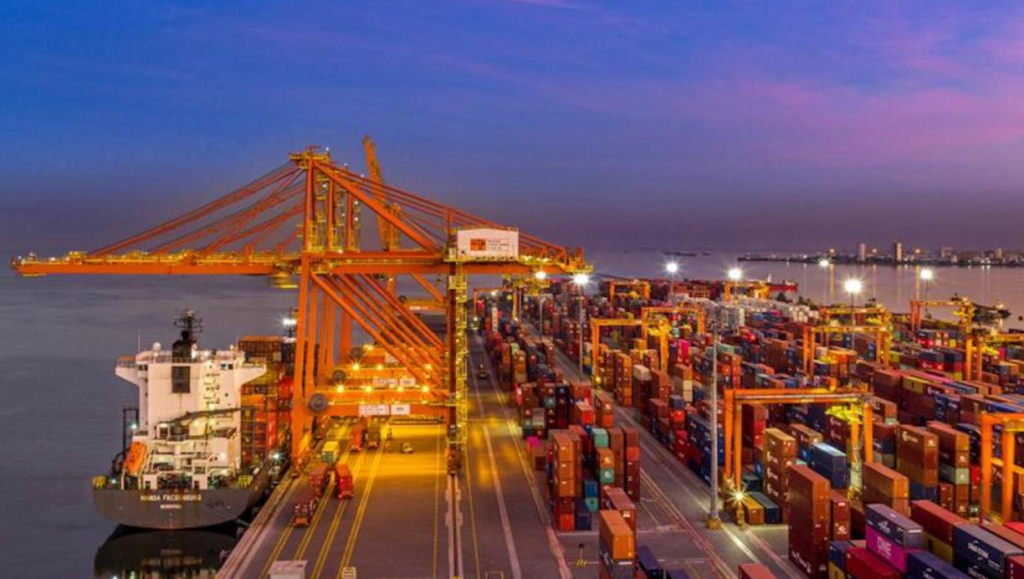
MANILA, Philippines — The Philippines’ trade gap widened to its highest level in half a year this March, as a surge in the purchase of electronic components and raw materials pushed the country’s import bill far beyond its export earnings.
According to the latest data from the Philippine Statistics Authority (PSA), the trade deficit—the difference between the value of goods imported and exported—reached a staggering $4.82 billion for the month. This represents the widest gap seen since September of the previous year.
While both imports and exports saw marginal growth compared to the same period last year, the sheer volume of incoming goods dominated the balance sheet.
- Import Growth: Total imports grew by 6.2%, reaching $11.2 billion. The increase was driven largely by the high demand for electronic products, mineral fuels, and transport equipment.
- Export Performance: Exports saw a more modest growth of 2.8%, totaling $6.38 billion. While electronic products (specifically semiconductors) remain the country’s top export earner, the growth was hampered by slowing global demand for consumer electronics in key markets like China and the United States.
Economists noted that a significant portion of the import surge is tied to the government’s ongoing “Build Better More” infrastructure projects and private sector expansion.
“The widening deficit isn’t necessarily a sign of economic weakness,” explained a senior analyst from a major local bank. “It reflects a ‘hungry’ domestic economy that is importing capital goods and raw materials to fuel long-term growth. However, the pressure it puts on the Philippine Peso remains a concern.”
The trade deficit is a key factor in the valuation of the national currency. As the demand for US Dollars to pay for imports increases, it puts downward pressure on the Philippine Peso, which has been hovering near the 58-to-1 mark against the greenback.
A weaker peso makes imports—especially fuel—more expensive, which can eventually lead to higher inflation for Filipino consumers.
- Top Export Destination: The United States remained the top buyer of Filipino goods, followed by Japan and Hong Kong.
- Top Import Source: China continued to be the Philippines’ largest supplier, accounting for nearly 20% of total imports, followed closely by Indonesia (primarily for coal and fuel) and South Korea.
Looking ahead, the Department of Trade and Industry (DTI) is banking on the diversification of export products, specifically in the green metals (nickel and copper) and aerospace parts sectors, to help narrow the gap in the second quarter.
However, with global oil prices remaining volatile due to geopolitical tensions in the Middle East, experts warn that the import bill for energy is likely to stay elevated, keeping the trade deficit in the spotlight for the months to come.