


MANILA, Philippines — The Philippine government may need to secure a staggering ₱429 billion to fund its national response if the conflict in the Middle East lasts until the end of 2026, the Department of Economy, Planning, and Development (DepDev) warned senators on Monday.
The projected figure is nearly double the initial ₱238 billion estimate provided by the Department of Budget and Management, reflecting the compounding costs of fuel subsidies, food security, and energy stabilization as the “Iran war” disrupts global trade and oil markets.
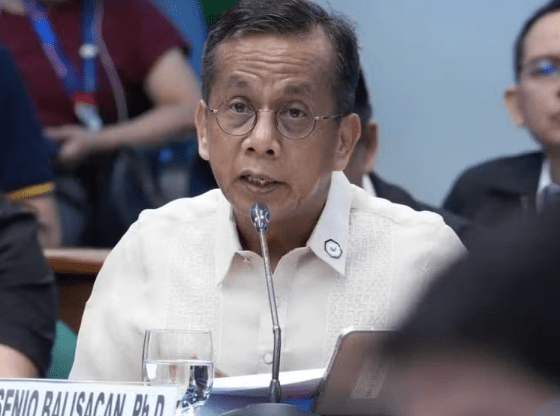
DepDev Secretary Arsenio Balisacan presented the findings during a hearing of the Senate’s Protect committee—an ad hoc panel created to manage the domestic fallout of the energy crisis. The ₱429 billion requirement assumes that high-intensity tensions and supply chain disruptions will extend through the second half of the year (July to December).
“If the tension… will extend to the next six months… the demand for resources will be much greater and we’ll have to figure out how to source that out,” Balisacan told the committee.
The crisis fund is intended to shield four critical sectors from total economic collapse:
- Agriculture: Fuel subsidies for farmers, fertilizer and seed support, and logistical aid to prevent food shortages.
- Transport: Direct cash aid to public utility vehicle (PUV) drivers, fuel subsidies, and the reduction of government fees.
- Energy: Securing the nation’s oil reserves and stabilizing electricity prices amidst volatile global fuel costs.
- OFWs: Funding the repatriation and reintegration of overseas Filipino workers caught in the regional conflict.
Agriculture Secretary Francisco Tiu Laurel Jr. warned that his agency alone may need an additional ₱40 billion if the oil crisis continues unabated.
- Current Deficit: The DA’s current fuel subsidy fund sits at only ₱150 million, supplemented by ₱10 billion in presidential assistance.
- Production Risk: Without immediate intervention, the DA projects a 20 percent loss in agricultural production—roughly two million metric tons of food.
- Farmer Support: The agency has already begun distributing ₱5,000 to farmers and ₱3,000 to fisherfolk to cope with rising costs.
Balisacan reported that the government has a “targeted” approach to the immediate future:
- Released Funds: As of April 1, 2026, ₱125.2 billion has already been released to various agencies.
- Short-term Buffer: A remaining ₱113.4 billion is currently available, which Balisacan says can safely cover necessary measures through June.
- The Long Haul: The primary concern remains the July–December window, which would require the government to find hundreds of billions in new revenue or reallocated funds.
The Senate Protect committee is expected to continue hearings this week to identify potential funding sources, including the possibility of a “Crisis Tax” or further realignments from the 2026 national budget.