


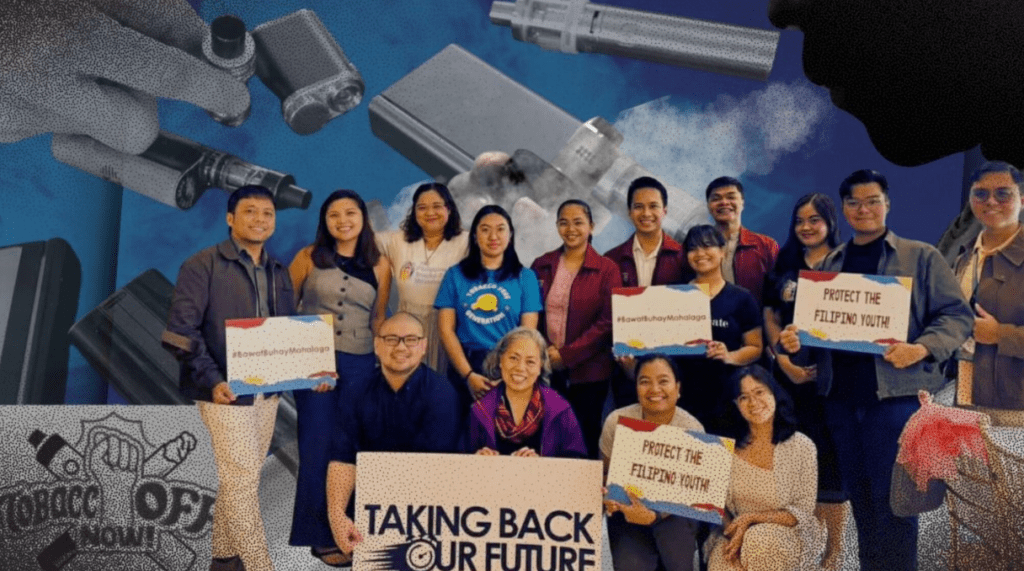
MANILA, Philippines — A broad coalition of health and child rights advocates has formally backed Health Secretary Teodoro Herbosa’s call to raise the minimum legal age for purchasing vape and tobacco products from 18 to 25.
The Philippine Tobacco Control Coalition, supported by groups such as the Southeast Asia Tobacco Control Alliance (SEATCA) and the Child Rights Network, argued that the current age limit is insufficient to protect the youth. Citing scientific evidence, the coalition noted that the human brain’s control center—the prefrontal cortex—continues to develop until the mid-20s. Nicotine exposure during this critical period can lead to lasting impairments in impulse control, learning, and mood regulation.
The push for stricter legislation comes amid what advocates describe as a “vapedemic” in the Philippines. Recent data indicates that one in seven Filipino students is now using vape products. Health Secretary Herbosa has characterized vaping as a “public health threat,” noting that it is often misleadingly marketed as a “less harmful” alternative to traditional smoking. The urgency of the call is further underscored by the country’s first recorded death linked to e-cigarette or vape product-associated lung injury (EVALI), which involved a 22-year-old male.
In addition to raising the age limit, the coalition is urging Congress to:
- Increase Excise Taxes: Implement maximum tobacco and vape taxes to deter youth consumption and generate revenue for Universal Health Care.
- Implement a Total Ban: Advocates remain consistent in their long-term goal of a total ban on all nicotine products, including heated tobacco and nicotine pouches.
- Standardize Packaging: Remove flavors and attractive packaging that specifically target minors.
While health experts stress the biological necessity of the 25-year-old cutoff, industry representatives have previously argued for maintaining the age at 18 to remain consistent with other legal rights, such as voting and driving. However, health advocates maintain that unlike those activities, nicotine use is a physiologically addictive habit that endangers long-term national health.