
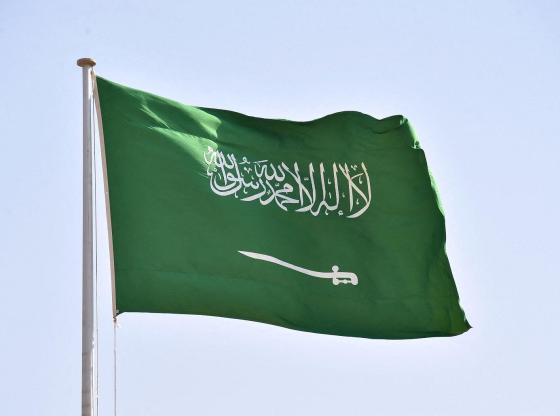

The remains of a Filipino who was recently executed in Saudi Arabia will not be repatriated to the Philippines due to restrictions under Shari’ah Law. According to Rommel Romato, Charge d’Affaires of the Philippine Embassy in Riyadh, this is standard procedure for executed individuals in the country.
The embassy made efforts to obtain forgiveness from the victim’s family, a move allowed under Shari’ah Law, but the family did not grant clemency. Romato explained that the Saudi government had cooperated by postponing the execution to allow time for negotiations, which ultimately proved unsuccessful.
Sheikh Mahid Mangondaya, an Islamic Law expert, explained that Shari’ah Law often follows the principle of “an eye for an eye,” allowing the family of the victim to decide whether to grant forgiveness. However, unanimous agreement among all family members is required for clemency to be granted. Even a single dissenting family member can prevent forgiveness and result in the enforcement of the sentence.
Currently, there are nine Filipinos on death row in Saudi Arabia, with one case potentially facing execution by the end of the year. The Philippine Embassy continues to work toward seeking forgiveness and clemency for those still awaiting sentencing