
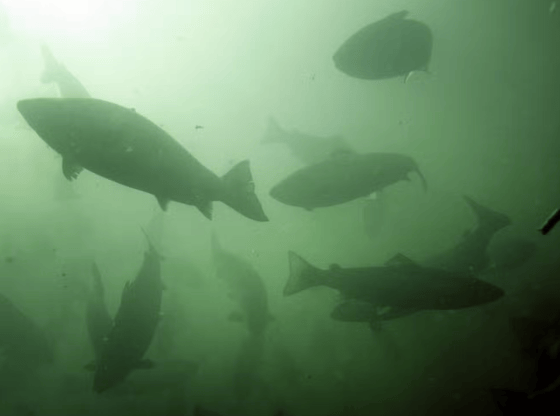

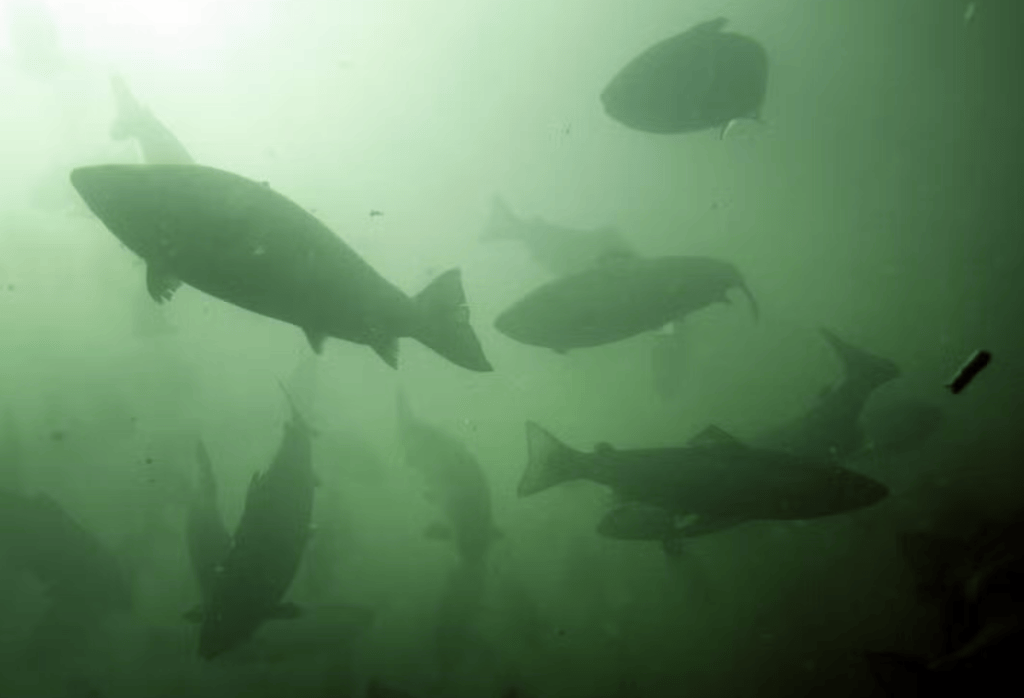
GENEVA, Switzerland — A recent scientific study has uncovered startling behavioral changes in Atlantic salmon exposed to trace amounts of cocaine, revealing that the fish swim significantly farther and more erratically than those in clean water. The research, conducted by an international team of marine biologists, highlights the growing environmental threat posed by pharmaceutical and illicit drug runoff in global waterways.
The findings, published in a leading environmental journal, suggest that even low-level drug contamination can disrupt the natural migration patterns and survival instincts of aquatic life.
The study observed salmon in controlled environments where they were exposed to concentrations of cocaine similar to those found in rivers near major urban centers.
- Increased Mobility: Salmon exposed to the drug exhibited a hyper-metabolic state, swimming distances significantly greater than the control group.
- Erratic Behavior: The “drugged” fish showed signs of disorientation, often swimming in repetitive patterns or failing to respond to typical environmental cues.
- Delayed Recovery: Even after being moved to clean water, the physiological effects of the exposure persisted for several days, suggesting long-term impacts on their nervous systems.
Researchers pointed to aging wastewater treatment systems as the primary culprit.
- Urban Runoff: Conventional treatment plants are often not equipped to filter out complex chemical compounds found in human waste, such as cocaine, antidepressants, and caffeine.
- Bioaccumulation: There are concerns that as these drugs enter the food chain, they may accumulate in larger predators, potentially impacting biodiversity on a broader scale.
Atlantic salmon are famous for their grueling migrations from the ocean to freshwater rivers to spawn.
- Energy Depletion: By swimming “farther” and faster than necessary due to drug-induced hyperactivity, salmon may exhaust their fat reserves before reaching their spawning grounds.
- Predation Risk: The hyperactive and erratic behavior makes the fish more visible and vulnerable to predators, such as bears and birds of prey.
Lead researchers emphasized that this is a “wake-up call” for environmental policy.
“We are seeing the unintended consequences of human lifestyle choices manifesting in our wildlife,” said one marine biologist. “It’s no longer just about heavy metals or plastics; we are now looking at a ‘chemical cocktail’ that is fundamentally changing how animals behave.”
The research team is now calling for more stringent monitoring of pharmaceutical and drug levels in major river systems. They are also advocating for the upgrade of wastewater treatment facilities to include advanced filtration technologies capable of removing micro-pollutants before they reach the sea.