


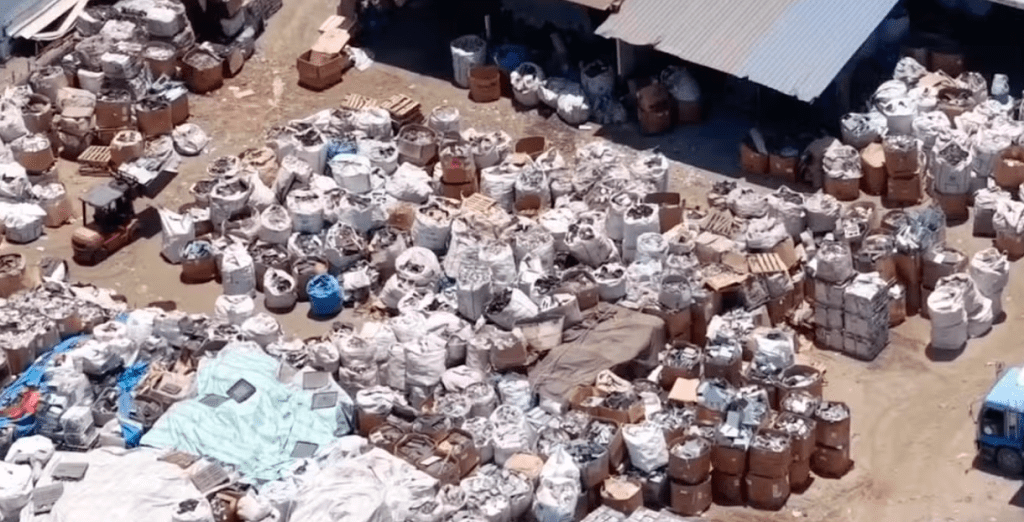
MANILA, Philippines — Sounding an urgent alarm over environmental sovereignty and toxic border controls, lawmakers are moving to block the country from becoming a dumping ground for foreign tech refuse. A party-list representative filed a house resolution seeking a congressional inquiry into the alleged dumping of large electronic waste (e-waste) shipments from the United States at the Port of Subic.
The legislative push aims to hold both local importers and foreign entities accountable for bypassing strict hazardous waste transport protocols.
The call for a full-scale investigation was initiated by AGRI Party-list Rep. Wilbert T. Lee, who officially introduced House Resolution No. 1745 to the House Committee on Ecology. Lee’s filing follows intelligence field reports indicating that high-volume containers filled with discarded computer parts, cracked circuit boards, and lead-heavy monitors have been slipping into the freeport zone under falsified customs declarations.
The core of the investigation focuses on how these toxic shipments managed to cross international waters in direct violation of global and domestic conservation mandates. Lee emphasized that the influx of foreign e-waste openly flouts the structural protections laid out in the Basel Convention on the Control of Transboundary Movements of Hazardous Wastes and Their Disposal:
                            [ TOXIC IMPORT REGULATORY SHIELDS ]
                                               │
         ┌─────────────────────────────────────┴─────────────────────────────────────┐
         ▼                                                                           ▼
   [ REPUBLIС ACT NO. 6969 ]                                                   [ THE BASEL CONVENTION AMENDMENT ]
 • **The Toxic Substances Act:** RA 6969 strictly bans the entry,     • **The US Exception:** While the Philippines signed the Basel
   presence, and disposal of hazardous and nuclear wastes inside       • Ban Amendment—which outlaws all hazardous waste exports from
   Philippine territory, making falsified cargo entries a felony.     • developed nations—the US remains one of the few countries
 • **Enforcement Gaps:** The probe will check if local syndicates      • that has *not* ratified the treaty.
   are mislabeling toxic e-waste shipments as "usable electronics"     • **Exploiting Loopholes:** Lawmakers argue that American exporters
   or "surplus goods" to clear Bureau of Customs (BOC) gates safely.   • exploit this lack of ratification to route toxic e-waste into
                                                                       • developing Asian ports.
If left unchecked, the accumulation of unmanaged e-waste poses an immediate, catastrophic threat to local communities. Unlike standard organic trash, electronic components are heavily saturated with highly toxic heavy metals—including lead, mercury, cadmium, and brominated flame retardants.
[ THE TOXIC LIFECYCLE RISK CHANNELS ] │ ▼[ Soil Leaching ] ──► When discarded electronics are left exposed to the elements or processed in makeshift scrapyards, acidic rainwater causes toxic heavy metals to break down and seep directly into the topsoil. │ ▼[ Aquifer Poisoning ]──► Over time, these chemical toxins flow down into subterranean water tables, permanently poisoning the drinking water aquifers used by neighboring farming communities. │ ▼[ Toxic Fumes ] ──► Informal recycling methods—such as burning plastic cables to harvest copper wires—release massive clouds of carcinogenic dioxins, triggering severe respiratory issues and neurological damage in local populations.
Lee is demanding that the BOC, the Department of Environment and Natural Resources (DENR), and the Subic Bay Metropolitan Authority (SBMA) present comprehensive cargo logs dating back to the start of the fiscal year. The solon insists that the government must replicate its previous aggressive legal actions, referencing the famous multi-year diplomatic standoff that forced Canada to repatriate tons of garbage mislabeled as plastics back to Vancouver ports.
By enforcing strict physical container inspections, punishing corrupt customs brokers, and demanding total transparency from international maritime shipping lines, the congressional inquiry aims to permanently seal the country’s sea gates against illicit hazardous materials—safeguarding public health and preserving the ecological integrity of the archipelago’s coastal communities.