
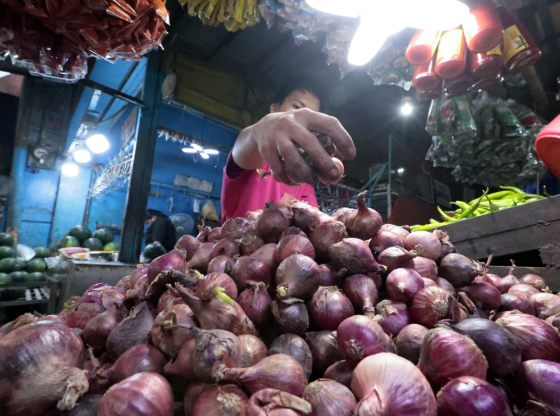

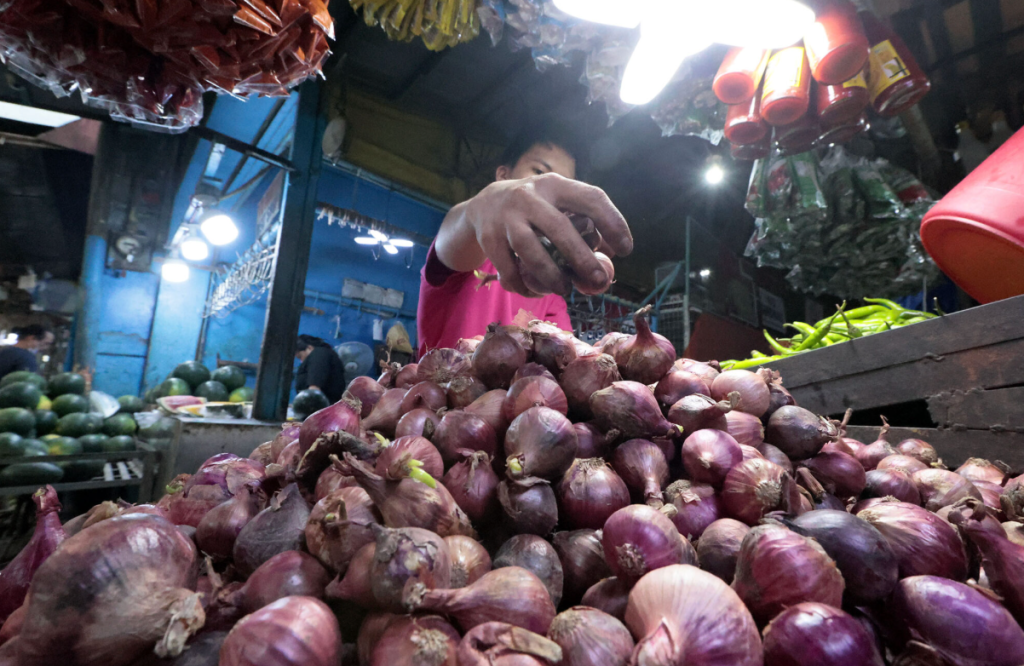
The state-run Food Terminal Inc. (FTI) is set to begin a massive procurement of onions from local farmers this month, a move intended to shield the agricultural sector from a potential price crash during the peak harvest season.
Rising supply volumes in key producing areas like Occidental Mindoro have sparked concerns among agricultural experts that a market glut could devastate farmer incomes. Some observers warn that without immediate government intervention, the unchecked influence of middlemen could lead to a drastic decline in farm-gate prices, echoing past crises in the industry.
Recent inspections of cold storage facilities in San Jose highlight the government’s commitment to providing a safety net. Analysts say these developments emphasize how strategic stockpiling and better infrastructure can reshape the power balance between small-scale growers and large-scale traders, particularly during the critical March-to-April harvest window.
Some economic observers believe that the FTI’s entry into the market may test the efficiency of the country’s logistical and storage capabilities. How the Department of Agriculture and FTI manage the procurement and storage of hundreds of thousands of bags of onions could influence the long-term sustainability of the local onion industry.
Food security has long been viewed as a sensitive national issue, with the Philippines often alternating between supply shortages and wasteful surpluses. Any failure to stabilize prices now would likely have far-reaching implications, particularly for rural poverty and the stability of food prices for urban consumers.
Experts say that while the current intervention focuses on onions, it represents a broader struggle to modernize the Philippine agricultural supply chain. The proactive stocking serves as a reminder of how government-led market participation can potentially mitigate the boom-and-bust cycles that plague local farming.
For many policymakers and analysts, the key concern is creating a more transparent trading system that prevents localized oversupply from triggering wider economic distress for the nation’s food producers.