


NEW YORK — Global pop superstar Taylor Swift has officially filed applications with the United States Patent and Trademark Office (USPTO) to trademark her voice. The move, reported on Tuesday, April 28, 2026, represents a significant legal effort to combat the rising tide of AI-generated clones and deepfakes that have proliferated across social media and music platforms.
The applications, first identified by intellectual property attorney Josh Gerben, include specific audio recordings designed to establish a legal benchmark for her vocal identity:
- The Filings: Swift submitted two distinct sound recordings to the USPTO on April 24. Both begin with the phrase “Hey, it’s Taylor,” followed by an announcement regarding her recent album, The Life of a Showgirl (released in October 2025).
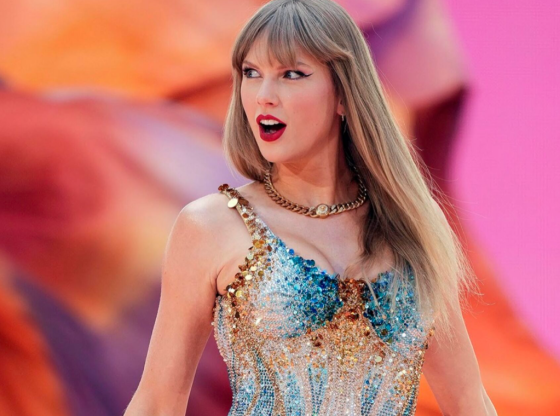
- Visual Evidence: A photo of the artist performing on stage was also included in the submission to provide context for the trademark.
- The Legal Aim: By trademarking the unique sonic qualities of her voice, Swift aims to gain more leverage in shutting down unauthorized commercial uses of AI-generated vocal tracks that mimic her style and tone.
The legal filing comes as advancements in artificial intelligence have made it possible to synthesize a celebrity’s voice in seconds using only a short audio sample.
- Industry Trend: Swift follows in the footsteps of actor Matthew McConaughey, who filed similar applications to protect his voice and signature catchphrases like “Alright, alright, alright!” from being used by AI models without consent.
- Legal Landscape: While some states, like Tennessee with its ELVIS Act (2024), have passed laws to protect an artist’s likeness and voice from AI exploitation, federal protections remain a “gray area.” Swift’s move to use trademark law is an attempt to create a federal safeguard where specific AI legislation may still be lacking.
The entertainment industry is currently grappling with the balance between technological innovation and intellectual property rights:
- Precedents: Actor Scarlett Johansson notably sued an AI app in 2023 for using her likeness without permission, setting a high-profile example for stars defending their digital identity.
- Concerns: Many artists worry that AI vocal clones could be used for malicious purposes, such as unauthorized advertisements, political deepfakes, or the creation of “new” songs that compete with the artist’s own work without providing compensation.
Swift’s publicist has not yet commented on the filings, but the move is widely seen by legal experts as a proactive strategy to maintain control over her most valuable asset—her voice—as she continues to navigate the complexities of the digital age.