


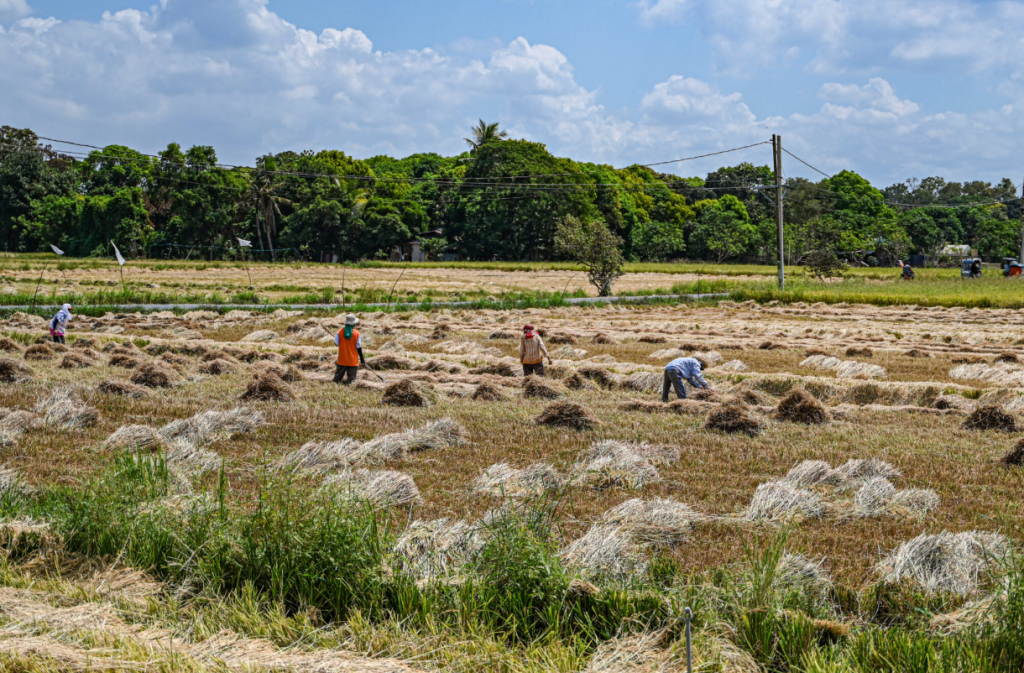
MANILA, Philippines — As the specter of a prolonged El Niño looms over the country’s agricultural heartlands, the Department of Agriculture (DA) and top rice scientists are handing farmers a new set of tools to fight back. Two specialized rice varieties are being aggressively promoted this week as the ultimate “climate-smart” solution for provinces bracing for severe water shortages.
The initiative aims to safeguard the national rice supply by shifting away from traditional, water-intensive seeds in favor of varieties specifically engineered to thrive in parched soil.
The two varieties—developed through years of research by the Philippine Rice Research Institute (PhilRice) and the International Rice Research Institute (IRRI)—are designed to mature faster and require significantly less irrigation than standard seeds.
- Drought-Tolerant Variety: This strain is capable of maintaining yield even when the soil moisture drops to critical levels, making it ideal for rain-fed areas that lack robust irrigation systems.
- Early-Maturing Variety: By shortening the growth cycle by several weeks, this variety allows farmers to harvest their crops before the peak of the dry spell hits, effectively “outrunning” the drought.
Agriculture officials emphasized that adopting these varieties is not just about food security, but about financial survival. “In the face of El Niño, traditional farming methods are becoming high-risk gambles,” a DA regional director noted. “By using these climate-resilient seeds, our farmers can reduce their losses and ensure they still have a harvest to sell, even if the rains don’t come.”
The government has begun distributing “drought-ready” seed packs to cooperatives in high-risk regions, including parts of Central Luzon, Iloilo, and Zamboanga Peninsula, which are historically the hardest hit by dry spells.
The push for new seed varieties is part of a broader “El Niño Mitigation Plan” that includes the rehabilitation of small-scale irrigation systems and the deployment of solar-powered pumps. Farmers are also being trained in “Alternate Wetting and Drying” (AWD), a water-saving technology that complements the new rice strains.
With the weather bureau PAGASA predicting a significant drop in rainfall over the coming months, the agricultural sector is in a race against time to adapt. For many Filipino farmers, these two new rice varieties represent more than just a crop—they represent a fighting chance against a changing climate.