
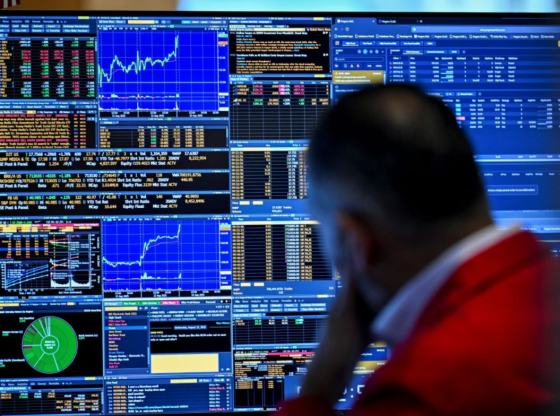

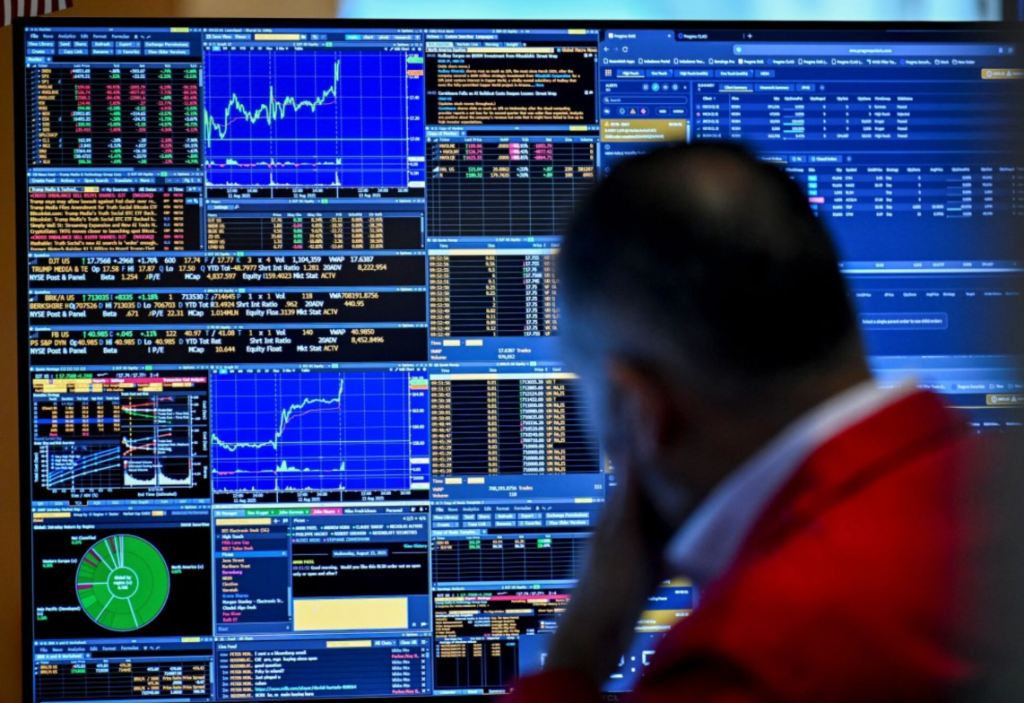
NEW YORK — Major US stock indices extended their pullback on January 14, 2026, as renewed geopolitical tensions involving Iran drove oil prices sharply higher, pressuring equities and boosting energy shares.
The S&P 500 closed down 0.7% at approximately 6,870, while the Dow Jones Industrial Average fell 0.5% (~220 points) and the Nasdaq Composite dropped 0.9%, led by weakness in technology and consumer discretionary stocks.
Key Market Drivers
- Iran Geopolitical Tensions — Escalating concerns over potential conflict or supply disruptions in the Middle East (linked to recent regional developments and US-Iran rhetoric) pushed Brent crude up more than 3% to ~$82–83 per barrel — the highest level in several weeks.
- Oil-Sensitive Sectors — Higher energy costs weighed on airlines, shipping, and consumer stocks sensitive to fuel prices.
- Profit-Taking & Rate Outlook — Investors continued to lock in gains after the S&P 500’s recent record run, with markets pricing in a more cautious Fed path for 2026 rate cuts (~75 bps total expected for the year).
- Bond Yields — US 10-year Treasury yield rose slightly to ~4.20%, reflecting reduced easing expectations.
Sector Performance Snapshot (Jan 14 Close)
- Energy → +2.1% (oil rally beneficiaries)
- Technology → -1.2% (profit-taking in Big Tech)
- Consumer Discretionary → -1.0% (oil price pressure)
- Utilities & Staples → Relatively flat (defensive rotation)
The retreat follows a similar session the day before, with the S&P 500 now down ~1.1% from its recent all-time high. Analysts note that while geopolitical risks remain a headline driver, the broader market remains supported by solid corporate earnings expectations and a resilient US economy.
Investors are now focused on upcoming US CPI data (due later this week) and the start of major bank earnings season for further direction.
Here are charts and visuals capturing the session — S&P 500 daily chart showing the pullback, Brent crude price surge, energy sector gains, and the broader market retreat.
Markets remain sensitive to Middle East headlines — volatility is likely to stay elevated until clarity emerges.