
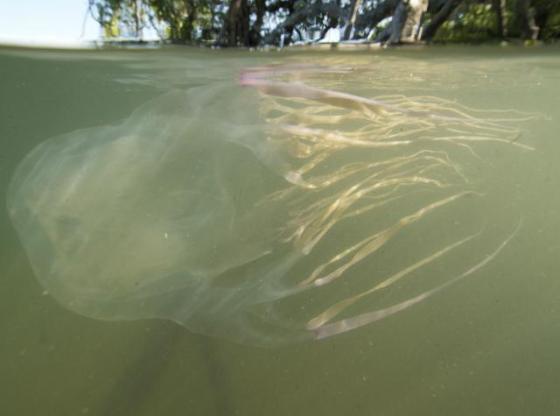

A highly venomous species of box jellyfish, known as Chironex yamaguchii, has been found in Philippine waters, according to a study conducted by Filipino and international scientists.
Jellyfish Found in Marine Biodiversity Hotspot
Researchers confirmed the presence of C. yamaguchii in the Coral Triangle, a globally recognized marine biodiversity hotspot that includes the Philippines.
“This box jellyfish was found to cause severe stings and even fatalities in the Indo-Pacific and Western Pacific regions,” stated the University of the Philippines Diliman College of Science.
The jellyfish’s tentacles can cause extreme pain, skin welts, and even trigger heart attacks, making it a serious concern for swimmers and coastal communities.
Is It a New Species?
Despite similar physical characteristics to its Japanese counterpart, genetic analysis revealed small but distinct differences between the Philippine and Japanese C. yamaguchii. This suggests that the Philippine version may be a separate species, warranting further research.
Implications for Public Safety
Understanding the genetic diversity and distribution of these jellyfish is critical for:
✔ Proper identification of jellyfish species responsible for stings
✔ Effective treatment and management of jellyfish-related injuries
✔ Assessing sting risks to protect coastal communities and tourists
Researchers also hope their findings will guide policymakers in implementing beach safety regulations and jellyfish population management strategies.
Research Team
The study was conducted by experts from The Philippine Jellyfish Stings Project, UP Diliman College of Science, Griffith University (Australia), Smithsonian National Museum of Natural History (USA), National Museum of the Philippines, and Leyte Normal University.
As the research continues, the discovery raises urgent concerns about marine safety and the need for awareness campaigns to protect both locals and visitors from potentially fatal jellyfish encounters.