
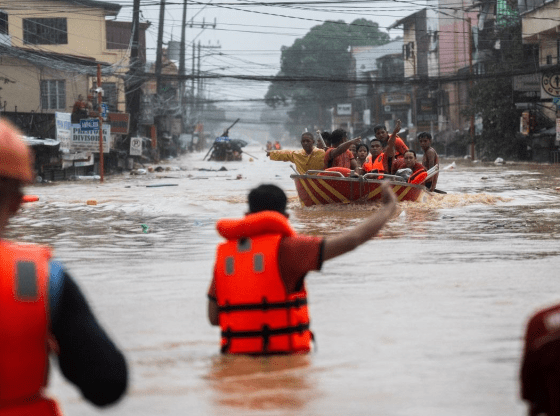

The Philippine National Police (PNP) reported on Thursday that 21 people have died in Metro Manila, Calabarzon, and Central Luzon due to the severe weather conditions caused by the southwest monsoon (Habagat) enhanced by Super Typhoon Carina.
In Calabarzon, 11 fatalities were recorded, with five in Batangas, three in Cavite, and three in Rizal. Causes of death included drowning, landslides, electrocution, and fallen trees. One person is missing in Cavite, and six were injured in Rizal.
Central Luzon reported three deaths: two in Angeles City, Pampanga, and one in Bustos, Bulacan, primarily due to landslides and drowning. Three injuries were also reported.
In Metro Manila, seven individuals died, including two in Manila and one each in Malabon, Valenzuela, San Juan, Mandaluyong, and Pasay. Most deaths resulted from drowning and electrocution, and eight people were injured in Quezon City.
The National Disaster Risk Reduction and Management Council (NDRRMC) earlier reported fewer fatalities, citing 14 confirmed deaths, with ongoing validation of additional reports.
The combined impact of Habagat, Carina, and Tropical Cyclone Butchoy affected 1,115,272 people or 245,298 families across the country, excluding Eastern Visayas. Of these, 51,726 individuals or 12,199 families are in evacuation centers, while 578,158 people or 116,878 families are sheltering elsewhere.
Surprising Rainfall and Response Efforts
Marikina Mayor Marcelino Teodoro expressed surprise at the heavy rainfall and prolonged flooding. “Nabigla kami dahil nga na hindi natin inaasahan yung ganung kalakas ng ulan at dami ng tubig sa mahabang oras,” he said. The continuous rainfall lasted over eight hours, surpassing the six-hour downpour during Typhoon Ondoy.
Over 30,000 residents, or about 5,800 families, were displaced in Marikina due to the rising water level of the Marikina River, prompting a forced evacuation.
San Juan City Mayor and Metro Manila Council president Francis Zamora emphasized the focus on rescue and relief operations. An assessment to prevent future flooding is planned for the coming days. In San Juan, over 2,500 people have evacuated.
In Quezon City, Disaster Risk Reduction and Management Office spokesperson Peachy de Leon confirmed that hot meals are being provided in evacuation centers. The city government is also ensuring the health of evacuees, with city health monitors and anti-leptospirosis medication available. The city veterinarian is checking rescued pets as well.
As of posting, 55,327 people or 15,819 families were in evacuation centers in Quezon City.