
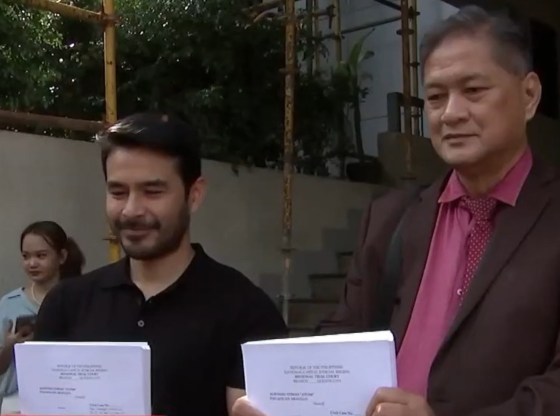

Broadcast journalist Atom Araullo emerged victorious in a defamation case against former anti-insurgency task force spokesperson Lorraine Badoy-Partosa and Jeffrey “Ka Eric” Celiz. The Quezon City Regional Trial Court (RTC) Branch 306 ordered the defendants to pay Araullo ₱2 million in damages for red-tagging him and his family.
Court’s Decision on Free Speech
In its 27-page ruling, the court emphasized that the right to free speech has limits. It stated, “The right to free speech is not absolute; it imposes limitations on its exercise to ensure that it will not impinge upon the rights of others. It does not protect defamatory statements.”
The court found that Badoy and Celiz’s public remarks associating Araullo and his mother, Carol Araullo, with communist groups were defamatory. These accusations, made through their program on the Sonshine Media Network International (SMNI) and social media, sought to harm Araullo’s reputation and credibility.
Impact of Red-Tagging
The court ruled that the red-tagging incidents, labeled by the Supreme Court as a form of harassment, inflicted psychological distress and public humiliation on Araullo and his family. It further noted that the remarks incited threats and hatred toward the journalist.
The court highlighted that all elements of defamation were present in the case. The accusations went beyond opinion or fair commentary, causing significant harm to Araullo’s peace of mind and family relations.
Penalties and Damages
In addition to the ₱2 million awarded as nominal, moral, and exemplary damages, the court ordered Badoy and Celiz to pay ₱10,000 in attorney’s fees. A 6% annual interest rate on all damages will apply until the full amount is settled.
Defendants’ Statements
Badoy dismissed the decision as a “temporary setback,” citing technicalities and pledging to exhaust all legal remedies, including a potential appeal to the Supreme Court. She stated, “I lost this case on a mere technicality… The fight is not over. We have just started.”
Celiz echoed similar sentiments, claiming the court denied them the opportunity to present evidence. He described the ruling as an “apparent miscarriage of justice.”
Both Badoy and Celiz indicated their intention to pursue appeals.