

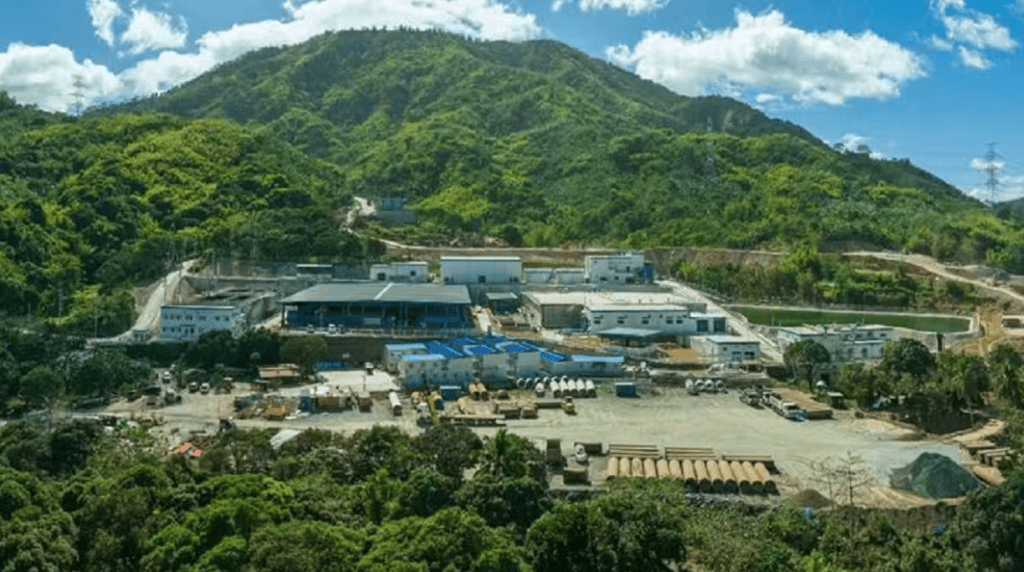
ANTIPOLO CITY, Philippines — As the Philippines prepares for a potentially severe El Niño that could last into 2027, Manila Water has activated a key defense against water scarcity: the Calawis Water Treatment Plant. The facility, located in Barangay Calawis, is a cornerstone of the company’s ₱8.2-billion Calawis Water System Project, designed to reduce the East Zone’s heavy reliance on the aging Angat Dam.
The plant is currently delivering treated, potable water to more than 900,000 customers in Antipolo City and surrounding areas, providing much-needed stability to the regional water grid.
The Calawis facility is more than just a treatment center; it is a localized hub for water security:
- Capacity: The plant can produce up to 80 million liters per day (MLD).
- Source: Raw water is drawn from the Tayabasan River, located within the Upper Marikina Watershed.
- Infrastructure: The broader project includes the treatment plant, several pumping stations, reservoirs, and 21 kilometers of primary transmission pipelines.
- Service Reach: Beyond household taps, the plant currently supports critical infrastructure such as the Antipolo Government Center, ensuring that public services remain uninterrupted during dry spells.
Historically, Metro Manila has relied on Angat Dam for over 90% of its water needs. The Calawis plant is part of a long-term Water Supply Masterplan to change that dynamic:
- Easing Pressure on Angat: By sourcing water from the Tayabasan River, Manila Water can preserve Angat’s reserves for other parts of the metropolis.
- Localized Distribution: Bringing production closer to high-demand centers in Rizal province improves distribution efficiency and helps stabilize water pressure in upland communities.
- Climate Mitigation: The facility is specifically designed to augment supply during the summer months when household consumption spikes and traditional sources are at their lowest.
Because the plant relies on the Tayabasan River, Manila Water has intensified its commitment to the Upper Marikina Watershed:
- Reforestation: The company continues to fund and manage reforestation initiatives to ensure the watershed remains healthy and capable of supplying raw water.
- Watershed Protection: Regular monitoring and conservation efforts are in place to prevent siltation and pollution of the river source.
With El Niño projected to persist through the end of 2026 and into early 2027, the Calawis Water Treatment Plant serves as a vital safeguard. Manila Water officials noted that the facility is part of a broader push to ensure that customer experience in the East Zone remains reliable despite increasing urban demand and climate variability.