


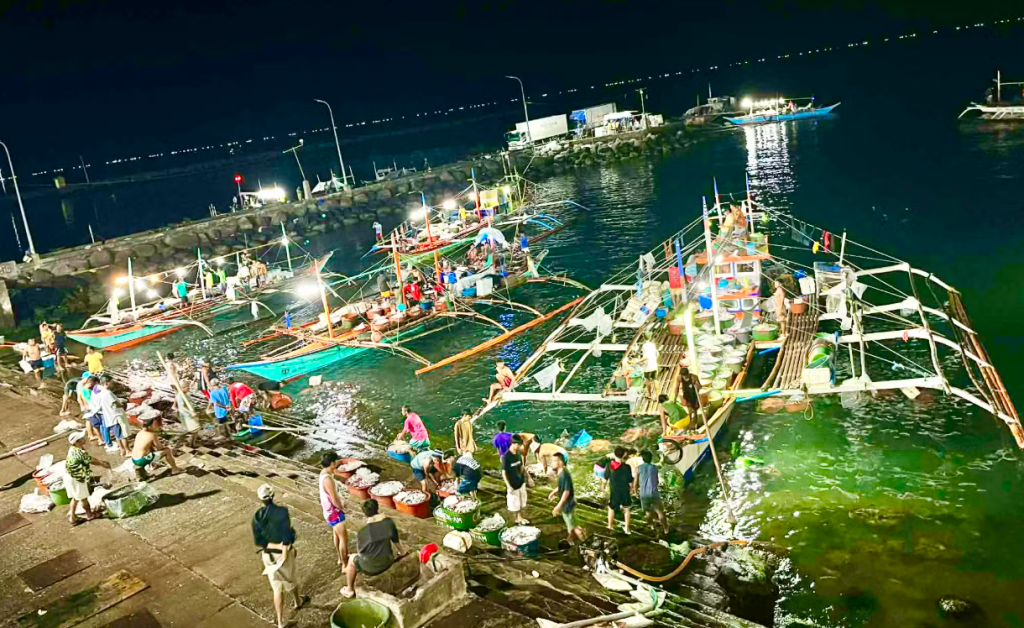
LEGAZPI CITY — An unexpected “gold mine” of sardines turned into a logistical disaster in Bulan, Sorsogon, as tons of fish were left to rot following a massive surge in catch during the Holy Week break.
The Bureau of Fisheries and Aquatic Resources (BFAR) Bicol reported that the sudden abundance of sardines—locally known as tamban or lawlaw—overwhelmed local fish landing sites starting April 5, 2026.
Several factors contributed to the massive waste of the highly perishable fish:
- Processing Shutdown: At least six major processing plants in the area temporarily closed for the Holy Week holidays, sharply reducing industrial demand.
- Plunging Prices: Because of the oversupply, the price of a tub of sardines crashed from ₱1,000 down to just ₱60.
- Ice Shortage: The sheer volume of the catch exhausted local supplies of ice and cold storage, leaving fishermen with no way to preserve the fish as they waited for buyers.
- Congestion: On peak days, up to 500 boats unloaded between 50 and 60 tubs each, causing severe gridlock at the ports.
BFAR Bicol Director Ariel Pioquinto confirmed that some of the spoiled fish eventually had to be buried to prevent health and sanitation issues. To salvage the remaining catch, the agency deployed refrigerated vans to transport the excess sardines to other regional markets where supply was lower.
The agency is also considering new subsidies for local ice production to help extend the shelf life of catches during future “fish runs.”
Despite the emergency measures, Pioquinto urged fishermen to better coordinate their activities and moderate their catch during known peak seasons to prevent such devastating waste. “We do not want the catch to go to waste, but proper handling and coordination are essential,” he said.
This incident highlights the ongoing vulnerability of the Philippine fishing industry to infrastructure gaps, particularly in cold-chain logistics, even as the country faces rising food costs and broader economic pressure from the regional energy crisis.