

MANILA, Philippines — A growing chorus of youth advocates and lawmakers is raising the alarm over the government’s newly launched “Safer Cities Initiative,” warning that the campaign to “restore order” could lead to widespread human rights violations and discriminatory profiling.
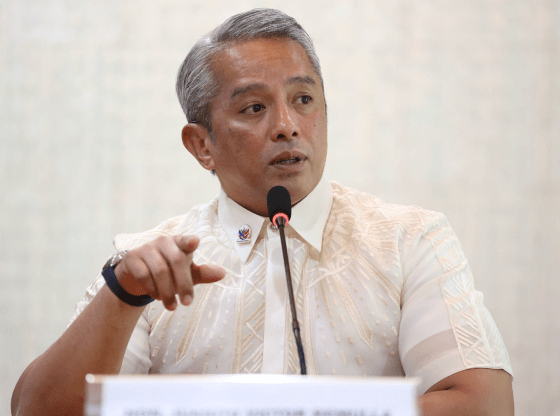
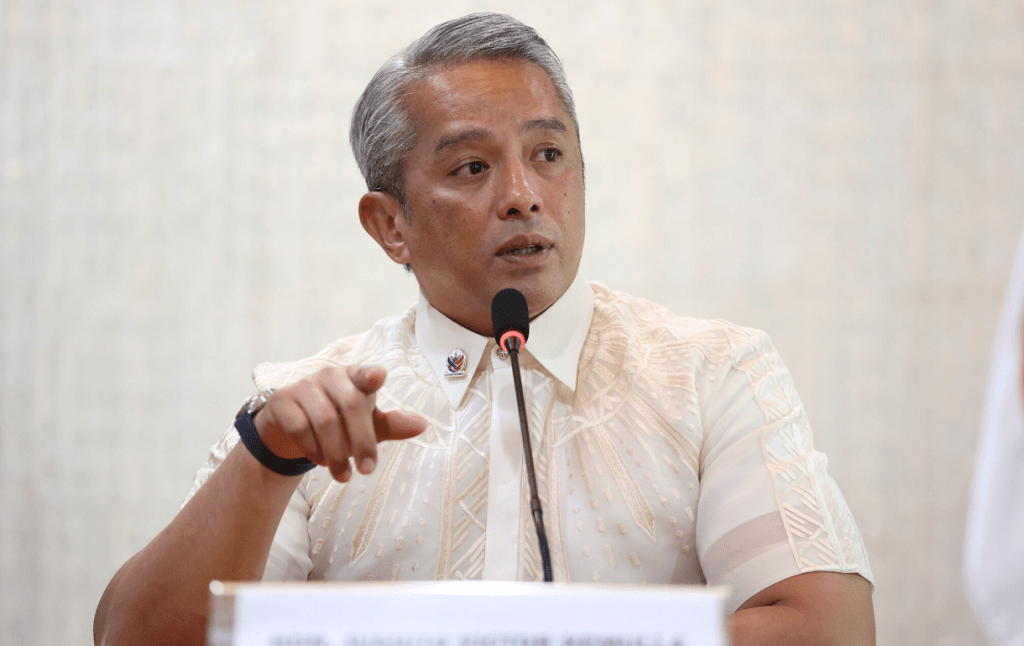
The initiative, announced by Local Government Secretary Jonvic Remulla on Monday, involves a strict crackdown on city ordinances in Metro Manila. Key targets include street drinkers, individuals seen shirtless in public, late-night “videoke” revelers, and curfew violators.
The Samahan ng Progresibong Kabataan (Spark) issued a sharp critique, arguing that the policy gives the Philippine National Police (PNP) too much leeway to subjectively apply the law.
“The PNP has an unmistakable track record of subjectively applying the law, and will only be emboldened to profile and harass citizens, especially the youth,” the group stated. Spark spokesperson Milo Basuel added that the youth in urban poor communities are particularly vulnerable, drawing parallels to the “arbitrary searches and arrests” seen during the previous administration’s war on drugs.
The initiative enforces a 10 p.m. curfew for individuals aged 18 and below. Critics argue this measure is:
- Anti-Poor: Representative Renee Co of the Kabataan Party-list called the guidelines “openly antipoor and elitist,” noting that many young people in informal employment (such as errand runners and vendors) lack proper identification.
- Discriminatory: Advocates fear that those who appear “out-of-school” or “unemployed” will be unfairly targeted based on their appearance or behavior.
- Root-Cause Blind: Co argued that the government should address economic hardship and housing programs rather than criminalizing underprivileged youth.
In response to the backlash, PNP chief Gen. Jose Melencio Nartatez Jr. assured the public that officers would strictly follow operational protocols. He emphasized that the goal is safety, not oppression.
“While we are intensifying our presence… the rights of our citizens remain paramount,” Nartatez said. “We will enforce the law with firmness but always with the utmost respect for the dignity and civil liberties of the people we serve.”
Much of the tension stems from Secretary Remulla’s specific warning against what he termed “geng-geng” (gang-like) behavior. Youth groups argue that such terminology is vague and encourages police to make arrests based on stereotypes and “style” rather than actual criminal activity.
As the “Safer Cities” program rolls out across the capital, human rights monitors are expected to keep a close watch on how these ordinances are enforced on the ground, especially in the city’s most marginalized neighborhoods.