
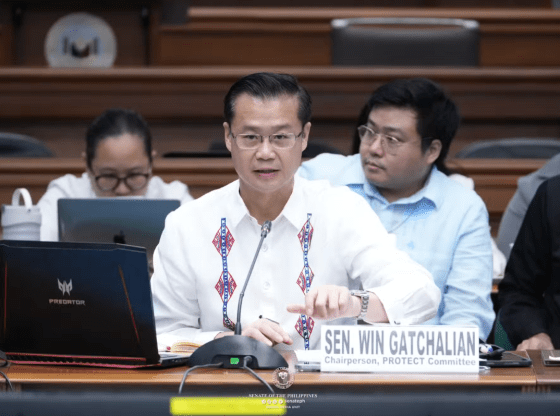


In a significant move toward maritime security, Senator Win Gatchalian has expressed strong support for the ongoing high-level discussions between the Philippines and Iran aimed at ensuring the safe passage of Filipino seafarers and vessels through volatile international waters.
The dialogue comes at a critical juncture as geopolitical tensions in the Middle East continue to pose risks to global shipping lanes. For the Philippines—a nation that provides a significant portion of the world’s merchant marine workforce—the assurance of safety in these corridors is not just a diplomatic goal but a matter of national economic and humanitarian priority.
Senator Gatchalian emphasized that these bilateral talks provide a much-needed “confidence boost” for the local maritime industry. With thousands of Filipino seafarers currently deployed on tankers and cargo ships traversing the Persian Gulf and the Gulf of Oman, the risk of vessel seizures or being caught in cross-border skirmishes remains a constant concern.
“Our seafarers are the lifeblood of global trade, and their safety should never be a bargaining chip,” Gatchalian stated. He noted that proactive engagement with regional powers like Iran demonstrates the Philippines’ commitment to an independent and “people-centric” foreign policy. By establishing direct lines of communication, the government can more effectively coordinate during emergencies and ensure that Filipino crew members are afforded protection under international law.
The security of these maritime routes is inextricably linked to the Philippine economy. Beyond the remittances sent home by seafarers, the stable flow of goods—particularly oil and gas from the Middle East—is vital for keeping domestic inflation in check.
Any disruption in these lanes often leads to immediate spikes in global oil prices, which have a direct “trickle-down” effect on the cost of transportation and basic commodities in the Philippines. Gatchalian pointed out that “maritime diplomacy” is a key tool in mitigating these external shocks, ensuring that the country’s energy supply remains uninterrupted despite regional instabilities.
The talks between Manila and Tehran are expected to cover protocols for communication, the identification of neutral zones, and the handling of maritime incidents involving Filipino nationals. This collaborative approach is seen as a way to de-escalate potential misunderstandings that could lead to the detention of vessels or crews.
The Department of Foreign Affairs (DFA) and the Department of Migrant Workers (DMW) are also closely involved in these negotiations, reflecting a “whole-of-government” effort to safeguard Overseas Filipino Workers (OFWs) at sea.
As the Philippines continues to navigate complex international relations, Senator Gatchalian urged the administration to seek similar safety arrangements with other coastal states in high-risk areas.
The success of the Iran-PH talks could serve as a blueprint for future maritime security agreements, proving that through dialogue and mutual respect, even the most challenging geopolitical waters can be navigated safely. For the families of Filipino seafarers, these talks offer more than just a diplomatic update; they provide the peace of mind that their loved ones are being watched over by a proactive and engaged government.