
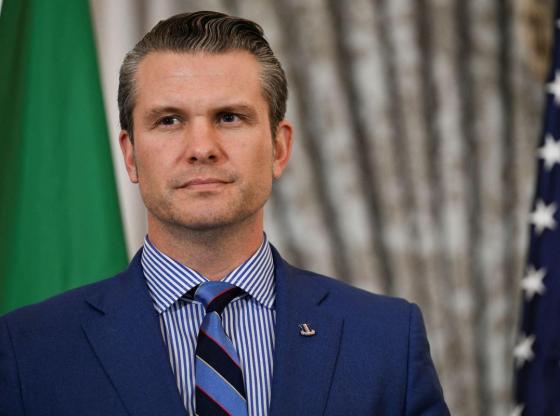

US Defense Secretary Pete Hegseth is facing intense scrutiny after reportedly texting real-time updates about a covert military strike targeting a Houthi militant leader in Yemen. Screenshots published by The Atlantic reveal that Hegseth shared a detailed timeline of the March 15 operation—including launch times and expected bomb drops—via the encrypted app Signal.
The chat group, which included The Atlantic‘s editor-in-chief Jeffrey Goldberg, sparked outrage across Washington, especially among Democrats who view the leak as a serious breach of national security protocols. Critics argue that the operation’s timing and targeting specifics are typically classified and tightly guarded.
Hegseth denies sharing war plans, and the Trump administration insists that no classified information was disclosed. However, defense officials told Reuters that at the time of the texts, the details were considered classified—raising questions about when and how they were potentially declassified.
In the shared messages titled “TEAM UPDATE,” Hegseth outlined strike phases, including launch schedules for F-18s, drones, and sea-based Tomahawk missiles. Hours later, National Security Adviser Mike Waltz confirmed the mission’s success, stating they had positively identified and killed a top Houthi missile expert.
Waltz, who created the Signal chat, took responsibility but downplayed the severity, asserting no sensitive sources, methods, or locations were revealed. Meanwhile, Director of National Intelligence Tulsi Gabbard clarified that the Defense Secretary has the authority to classify or declassify such material.
Despite the backlash, Hegseth defended the operation, calling the strikes “devastatingly effective” and praised the troops involved. The Pentagon continues to withhold key details about the mission, including the operation’s name and casualty specifics.