

The International Criminal Court (ICC) Office of the Prosecutor has hailed the arrest and transfer of former Philippine President Rodrigo Duterte, calling it a significant milestone in seeking justice for alleged crimes against humanity linked to his administration’s war on drugs.
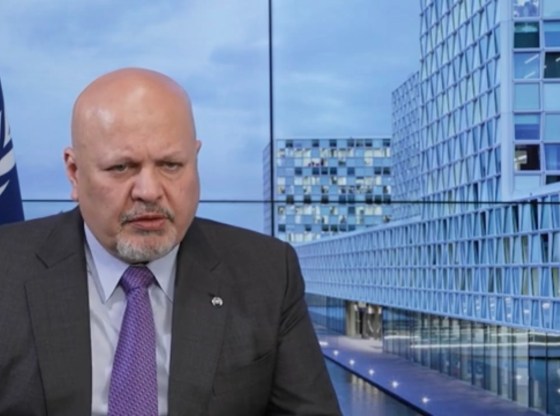
In a statement, ICC Prosecutor Karim Khan’s office confirmed that preparations are underway for Duterte’s initial court appearance and upcoming judicial proceedings.
“The arrest of Mr. Duterte is an important development in the Office’s pursuit of accountability in the situation in the Republic of the Philippines for alleged crimes committed in the context of the so-called ‘war on drugs’ campaign,” the statement read.
Duterte arrived at The Hague Penitentiary Institution at around 2 a.m. Philippine time, where he will be detained while awaiting trial. He was flown to the Netherlands on Wednesday, with his plane landing at Rotterdam The Hague Airport at 4:54 p.m. local time.
Allegations and ICC Jurisdiction
The ICC’s investigation alleges that Duterte is criminally responsible for the crime against humanity of murder (Article 7(1)(a) of the Rome Statute) committed between November 1, 2011, and March 16, 2019.
The ICC Pre-Trial Chamber I determined that “there are reasonable grounds to believe that Mr. Duterte bears criminal responsibility” for these crimes, which were reportedly part of a widespread and systematic attack against civilians.
While the Philippines withdrew from the Rome Statute in 2019, the ICC asserts jurisdiction over Duterte since the alleged crimes took place while the country was still a State Party to the treaty.
Ongoing Investigation and Call for Cooperation
The ICC Office of the Prosecutor emphasized that the investigation into the Philippine situation remains ongoing. It has encouraged individuals with relevant information on Duterte’s drug war to come forward through its Witness Appeal portal.
“In pursuing further accountability, the Office hopes to engage with the Philippine authorities on potential avenues of cooperation and will continue to rely on partnerships with national authorities, regional and international organizations, civil society, and affected communities,” it added.