


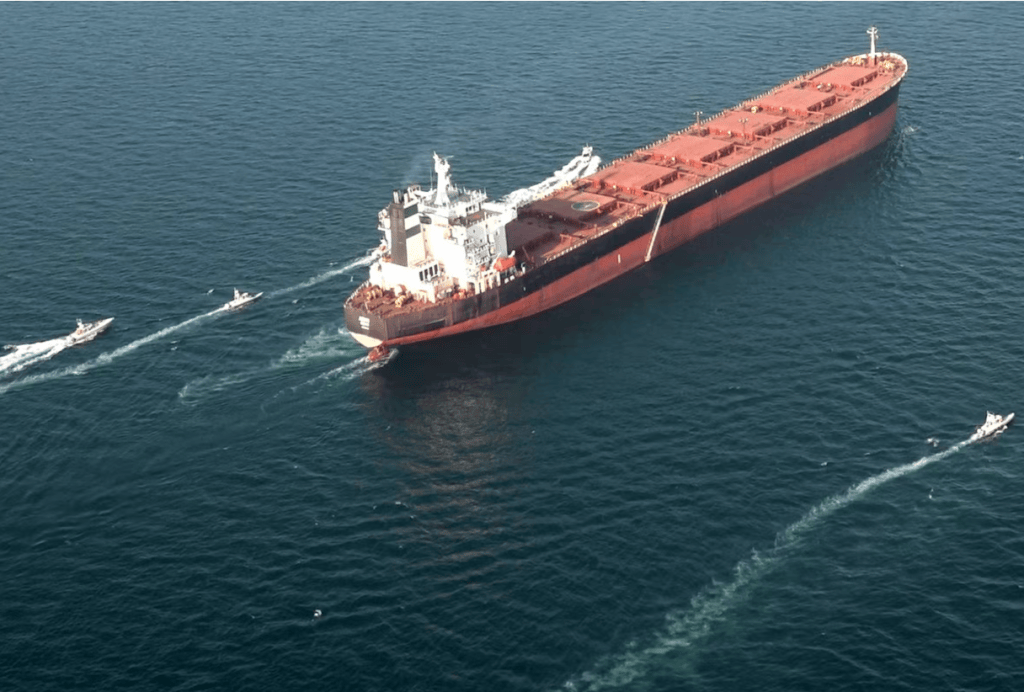
TEHRAN, Iran — Tensions in the Middle East reached a new peak on Sunday, March 22, 2026, as Iran’s military warned it would “completely close” the strategic Strait of Hormuz if U.S. President Donald Trump carries out threats to target Iranian power plants.
The statement from the operational command, Khatam Al-Anbiya, broadcast on state TV, made it clear that the waterway—vital for global energy—would not be reopened until any destroyed power plants were fully rebuilt.
The threat comes as an answer to a 48-hour ultimatum issued by President Trump, demanding that Iran reopen the strait. The waterway has been effectively blocked since the outbreak of war on February 28, following U.S.-Israeli bombardments of Iran.
Iran’s military also expanded its list of potential targets should the U.S. strike its energy infrastructure:
- Israel: Threats to strike power plants, energy grids, and Information and Communications Technology (ICT) infrastructure.
- Regional Neighbors: Potential strikes on power plants in countries hosting U.S. military bases or companies with U.S. shareholders.
The Strait of Hormuz is the world’s most important oil transit chokepoint.
- Global Supply: Approximately 20% of the world’s crude oil and liquefied natural gas (LNG) normally passes through this narrow passage.
- Current Status: Maritime traffic has already plummeted to roughly 5% of its pre-war volume.
- Ongoing Hostilities: Iranian forces have already attacked several vessels that allegedly failed to heed warnings against transiting the area.
While Iran has recently permitted a few “friendly” nations to pass, the Iranian parliament is reportedly considering a permanent toll system for all shipping. Parliament Speaker Mohammad Bagher Ghalibaf warned that maritime traffic in the region will “not return to its pre-war status,” signaling a long-term shift in how the vital corridor is managed.