
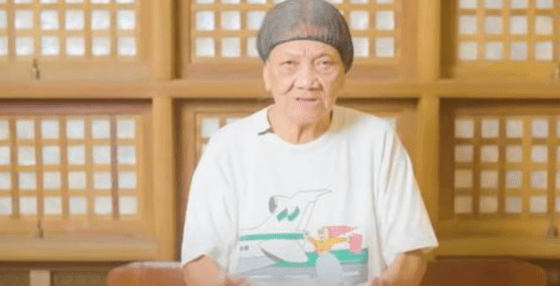

In Palo, Leyte, 80-year-old Lola Camilla Potente, affectionately known as Mana Mila, has made it her devotion to cook mola bola, a local version of ginataan, for the penitent during Holy Week. This tradition, featured on “Kapuso Mo, Jessica Soho,” showcases her unique recipe, known for its soothing effect, attributed to the key ingredient, ginger.
The preparation of mola bola is a laborious process, beginning on Holy Thursday when the rice and sticky rice are soaked overnight. The next day, these grains are ground at the market, followed by the communal effort of Mana Mila’s relatives to shape the mixture into balls. The actual cooking takes place on Good Friday, with the ginger crushed to enhance the flavor, balancing the sweetness of the coconut milk. Continuous stirring for nearly an hour is crucial to perfecting this dish.
Meanwhile, in Victoria, Laguna, another version of ginataan called pinaltok is highlighted, symbolizing the sweetness in the courtship of couples like Heidi and Arnold Añonuevo. In contrast to the rice-based mola bola, pinaltok is made from grated plantain bananas, reflecting the notion that the effort in preparation mirrors the process of courtship.
This narrative also touches on the Muslim community’s version of ginataan, sindol, which is a staple during the iftar of Ramadan. The dish, enriched with a thickening agent from the Silal palm tree, signifies the communal spirit and faith among Muslims in Sultan Kudarat.
These stories weave a tapestry of culinary tradition, faith, and communal ties, highlighting the rich cultural diversity and shared values across different regions and communities in the Philippines during the solemnity of Holy Week and Ramadan.